Thyroid Problems in Women: Symptoms, Causes & Treatment
By Pawana Hospital Team | Gynecology & Endocrinology | August 2026 | 9 min read
The thyroid is a small butterfly-shaped gland located at the front of the neck. It produces hormones that help regulate metabolism and influence energy use, body temperature, heart rate, and many other body functions.
What Is the Thyroid Gland and What Does It Do?
Changes in thyroid hormone production can therefore affect several systems throughout the body.
Why Are Thyroid Problems Common in Women?
Women are more likely than men to develop several types of thyroid disorders, particularly autoimmune thyroid conditions. Hormonal and immune-system factors may contribute, and thyroid problems can appear during reproductive years, pregnancy, after childbirth, or later in life.
Common Types of Thyroid Disorders
Common thyroid conditions include hypothyroidism, hyperthyroidism, thyroiditis, thyroid nodules, and autoimmune thyroid disorders.
Each condition affects thyroid function differently and may require different investigations and treatment.
Hypothyroidism vs Hyperthyroidism:
What’s the Difference?
Hypothyroidism occurs when the thyroid does not produce enough thyroid hormone. It may cause tiredness, weight gain, constipation, dry skin, sensitivity to cold, or menstrual changes.
Hyperthyroidism occurs when the thyroid produces excessive hormone. Possible symptoms include unexplained weight loss, rapid heartbeat, sweating, tremors, anxiety, and heat intolerance.
Common Thyroid Symptoms in Women
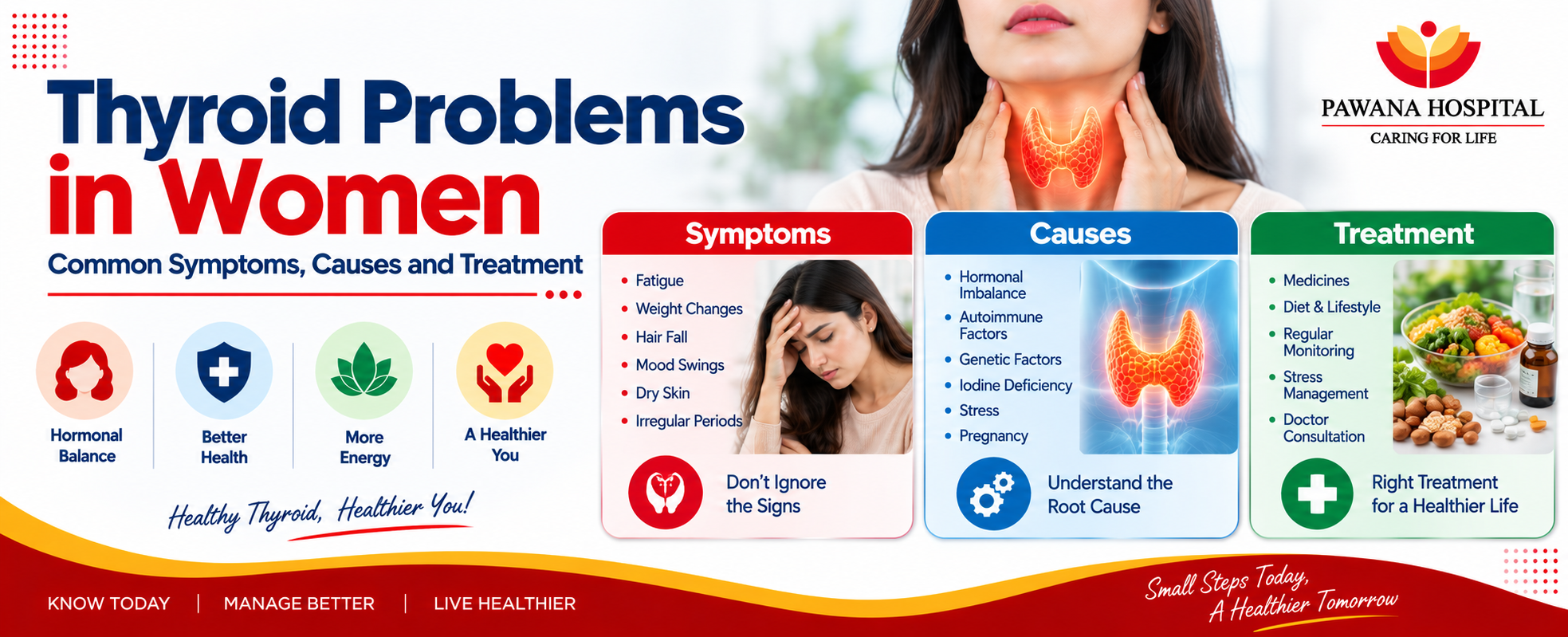
Symptoms may include persistent fatigue, unexplained weight changes, hair thinning, dry skin, mood changes, sleep problems, altered heart rate, menstrual irregularities, and changes in bowel habits.
Because these symptoms are not specific to thyroid disease, testing is important before drawing conclusions.
Thyroid Problems and Weight Gain or Weight Loss
An underactive thyroid can contribute to modest weight gain and difficulty losing weight, while an overactive thyroid can lead to unexplained weight loss.
However, body weight is influenced by many factors. Weight changes alone cannot confirm a thyroid disorder.
Can Thyroid Problems Affect Periods?
Yes. Both excessive and insufficient thyroid hormone can affect menstrual cycles. Women may experience irregular periods, changes in menstrual flow, or other cycle disturbances.
Persistent changes should be discussed with a doctor.
Thyroid Problems, Fertility and Pregnancy
Untreated thyroid disorders can affect ovulation, fertility, pregnancy, and maternal health.
Appropriate thyroid hormone levels are particularly important before and during pregnancy.
Women planning pregnancy who have a known thyroid disorder should discuss monitoring and treatment with their healthcare provider.
What Causes Thyroid Disorders in Women?
Autoimmune diseases are common causes of thyroid dysfunction.
Hashimoto’s thyroiditis can lead to hypothyroidism, while Graves’ disease can cause hyperthyroidism. Other causes may include thyroid inflammation, certain medications, previous thyroid treatment, iodinerelated problems, or structural thyroid conditions.
TSH, T3 and T4: Understanding Your Thyroid Test Results
TSH (thyroid-stimulating hormone) is commonly used as an initial test for thyroid function. Doctors may also measure free T4 and, in certain situations, T3.
Results need to be interpreted together because abnormal values can have different causes. Reference ranges may also vary between laboratories and clinical situations.
How Are Thyroid Problems Diagnosed?
Diagnosis usually begins with symptoms, medical history, physical examination, and thyroid function blood tests. Depending on the findings, doctors may recommend thyroid antibody tests, ultrasound, or additional investigations.
Treatment Options for Thyroid Disorders
Treatment depends on the specific condition. Hypothyroidism is commonly treated with thyroid hormone replacement.
Hyperthyroidism may be managed using medication, radioactive iodine, or surgery in selected cases. Thyroid nodules and other structural problems require individualized assessment.
Diet and Lifestyle Tips for Better Thyroid
Health A balanced diet, regular physical activity, adequate sleep, and appropriate medical follow-up can support overall health in people with thyroid disorders.
Patients should avoid taking excessive iodine or unproven thyroid supplements without medical advice because they may interfere with thyroid function or treatment.
What Happens If a Thyroid Problem Is Left Untreated?
Untreated thyroid dysfunction can affect cardiovascular health, metabolism, menstrual cycles, fertility, pregnancy, and general well-being. Severe untreated thyroid disease can cause significant complications, making timely diagnosis and appropriate treatment important.
When Should You See a Doctor?
Consider medical evaluation if you have persistent fatigue, unexplained weight changes, menstrual irregularities, unusual sensitivity to heat or cold, rapid or slow heartbeat, neck swelling, or other persistent symptoms.
Women who are pregnant or planning pregnancy should also discuss known thyroid conditions with their healthcare provider.
Thyroid & Women’s Health Care at Pawana Hospital
Pawana Hospital provides evaluation for women experiencing symptoms that may be related to thyroid or hormonal disorders.
Depending on individual needs, assessment may include medical consultation, thyroid function tests, imaging, and appropriate treatment or follow-up.
Early evaluation can help identify the cause of symptoms and support long-term health.
Thyroid Disorders in Women: A Common Health Concern
Thyroid disorders affect approximately 1 in 10 Indian women, with prevalence rates significantly higher in females than in males.
Common Symptoms of Hypothyroidism
- Fatigue: Feeling constantly tired, sluggish, or lacking energy despite getting enough sleep.
- Weight Gain: Gaining weight easily or having trouble losing weight despite a normal diet.
- Cold Intolerance: Feeling sensitive to cold temperatures and having trouble staying warm.
- Skin and Hair Changes: Dry, coarse, or thickened skin, along with dry, thinning hair, brittle nails, or hair loss.
- Digestive Issues: Frequent constipation due to slowed digestive processes.
- Muscle and Joint Pain: Aches, tenderness, stiffness, or muscle weakness.
- Mood and Memory Changes: Depression, anxiety, trouble concentrating, or “brain fog.”
- Menstrual Changes: Heavier, longer, or irregular menstrual periods, along with potential fertility issues in women.
- Unintentional Weight Loss: Losing weight rapidly even though your appetite and food intake stay the same or increase.
- Rapid or Irregular Heartbeat: Experiencing a racing heart (tachycardia), pounding sensations (palpitations), or an irregular rhythm like atrial fibrillation.
- Anxiety and Irritability: Feeling highly nervous, anxious, jittery, or experiencing frequent mood swings and sleep issues (insomnia).
- Heat Intolerance: Excessive sweating and feeling uncomfortably hot in normal or cool temperatures.
- Tremors: A noticeable, fine trembling or shaking in your hands and fingers.
- Changes in Bowel Patterns: More frequent bowel movements or persistent diarrhea.
- Muscle Weakness and Fatigue: Feeling physically weak, especially in the shoulders and thighs, alongside general fatigue.
Additional Symptoms of Hyperthyroidism
- Skin and Hair Changes: Skin that feels unusually warm and moist, along with thinning skin and fine, brittle hair that may shed.
- Menstrual Changes: Menstrual periods may become much lighter or occur less frequently.
Distinctive Signs to Watch For
- Goiter: A visible swelling or enlargement at the base of the neck where the thyroid gland is located.
- Thyroid Eye Disease: Common in some people with hyperthyroidism caused by Graves’ disease. Signs may include bulging eyes, redness, puffiness, light sensitivity, or double vision.
FAQs
Can thyroid problems cause irregular periods?
Yes. Both hypothyroidism and hyperthyroidism can affect menstrual cycles.
Can thyroid disease cause weight gain?
Hypothyroidism may contribute to weight gain, although weight changes can have many causes.
What is the main test for thyroid function?
TSH is commonly used as an initial test, often alongside free T4 depending on the clinical situation.
Can thyroid problems affect pregnancy?
Yes. Poorly controlled thyroid disorders can affect pregnancy, which is why appropriate monitoring is important.
Do thyroid medicines need to be taken lifelong?
It depends on the cause. Some thyroid conditions require long-term treatment, while others may be temporary.
Conclusion
Thyroid problems are common in women and can affect many aspects of physical and reproductive health.
Symptoms such as persistent fatigue, unexplained weight changes, menstrual irregularities, or changes in heart rate should not be ignored.