PMOS in Women: Symptoms, Causes, Diagnosis and Treatment
By Pawana Hospital Team | Gynecology & Endocrinology | September 2026 | 9 min read
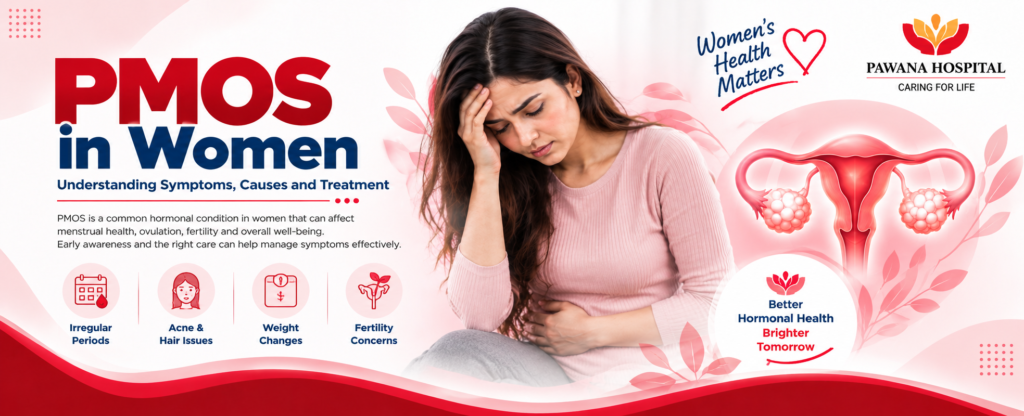
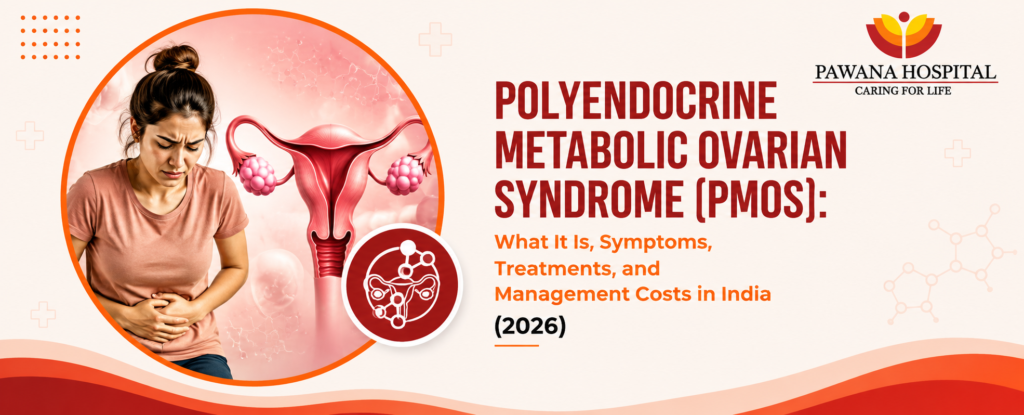
PMOS is a hormonal and metabolic condition that can affect a woman’s menstrual cycle, ovulation, fertility, skin, hair, weight, and overall well-being. Common concerns may include irregular or missed periods, acne, unwanted facial or body hair, hair thinning, weight changes, and difficulty with ovulation.
According to Dr. Sanjali, timely evaluation of persistent menstrual irregularities and other hormonal symptoms is important for identifying the underlying problem and planning appropriate care. Diagnosis may involve reviewing symptoms and menstrual history, a physical examination, relevant blood tests, and an ultrasound when clinically required.
Treatment is individualized based on a woman’s symptoms, overall health, metabolic factors, and pregnancy plans. It may include lifestyle modifications, menstrual-cycle management, treatment for acne or unwanted hair growth, management of insulin resistance when appropriate, and fertility support when required.
With appropriate medical guidance, regular monitoring, a balanced diet, physical activity, adequate sleep, and sustainable lifestyle changes, women can manage symptoms and support their long-term health.
What Is PMOS?
PMOS is described here as a hormonal and metabolic condition that can affect ovulation and menstrual cycles. Women may experience irregular periods, increased androgen activity, acne, unwanted facial or body hair, weight changes, or difficulty becoming pregnant.
Common Symptoms of PMOS
- Irregular, delayed, or missed periods
- Heavy or unpredictable menstrual bleeding
- Acne or oily skin
- Excess facial or body hair
- Hair thinning or hair loss
- Difficulty losing weight or unexplained weight gain
- Darkening of skin in certain areas
- Difficulty becoming pregnant due to irregular ovulation
What Causes PMOS?
There is no single known cause. Genetics, hormonal imbalance, insulin resistance, body weight, lifestyle, and environmental factors may contribute.
A family history of similar hormonal or metabolic conditions may increase risk. Hormonal Imbalance and Insulin Resistance Higher-than-normal androgen activity may interfere with normal ovulation and contribute to acne, excess hair growth, and irregular periods.
Insulin resistance may also influence ovarian hormone production and make symptoms more difficult to manage.
How Can PMOS Affect Periods?
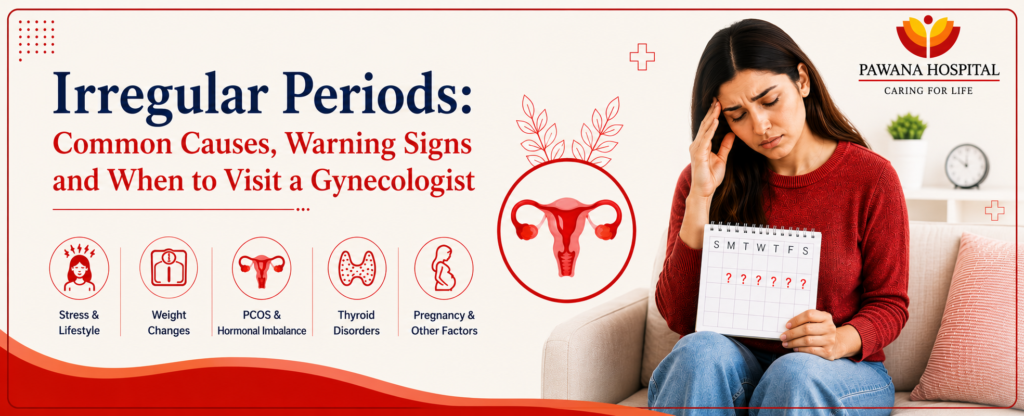
Irregular or absent ovulation may cause periods to become delayed, unpredictable, unusually heavy, or absent for several months.
Persistent menstrual irregularity should be evaluated by a gynecologist.
PMOS and Weight Changes Some women may gain weight or find it difficult to lose weight. Insulin resistance, hormonal changes, genetics, diet, physical activity, sleep, and other lifestyle factors may contribute. However, the condition can also occur in women with a healthy or lower body weight.
Can PMOS Cause Fertility Difficulties?
Irregular ovulation can make it harder to predict fertile days or become pregnant. This does not automatically mean infertility; many women conceive naturally or with appropriate medical and fertility support.
How Is PMOS Diagnosed?
A doctor may consider menstrual history, symptoms, physical examination, hormone levels, and sometimes an ultrasound.
Other conditions with similar symptoms, including thyroid disorders or elevated prolactin levels, may need to be ruled out.
Tests Your Gynecologist May Recommend
- Blood tests for relevant hormone levels
- Blood glucose or HbA1c testing
- Lipid profile
- Thyroid function tests
- Prolactin testing
- Pelvic ultrasound when clinically appropriate
Treatment Options for PMOS
Treatment depends on symptoms, age, overall health, metabolic risk factors, and pregnancy plans.
It may include lifestyle changes, medicines to regulate menstrual cycles, treatment for acne or unwanted hair growth, management of insulin resistance when appropriate, and medicines to support ovulation when required.
Diet, Exercise and Lifestyle Changes A balanced diet with adequate protein, vegetables, fruits, whole grains, and fibre can support metabolic health.
Regular physical activity, appropriate weight management, sufficient sleep, and stress management may also help. Sustainable habits are preferable to extreme diets.
When Should You Visit a Gynecologist?
Consult a gynecologist for persistent irregular or missed periods, excessive bleeding, unusual facial or body hair growth, severe acne, unexplained weight changes, or difficulty becoming pregnant.
PMOS & Women’s Health Care at Pawana Hospital
Women experiencing irregular periods, hormonal symptoms, fertility concerns, or other gynecological problems can receive evaluation and personalized care.
Depending on individual needs, this may include gynecological consultation, diagnostic testing, ultrasound, lifestyle guidance, and appropriate medical treatment.
FAQs
1. Can PMOS cause irregular periods?
Yes. Irregular or absent ovulation may lead to delayed, missed, or unpredictable periods.
2. Can a woman with PMOS become pregnant?
Yes. Many women can become pregnant naturally or with appropriate treatment and fertility support when required.
3. Does every woman with PMOS gain weight?
No. The condition can affect women across different body weights.
4. Can lifestyle changes improve PMOS symptoms?
Healthy eating, regular exercise, sufficient sleep, stress management, and appropriate weight management may help improve symptoms and metabolic health.
5. Is ultrasound alone enough to diagnose PMOS?
No. Evaluation may also include symptoms, menstrual history, physical examination, hormone levels, and other relevant tests.
6. Can PMOS affect fertility?
Irregular ovulation may make conception more difficult, but it does not automatically mean infertility.
7. When should I consult a gynecologist?
Consult a gynecologist if you have persistent irregular or missed periods, excessive bleeding, severe acne, unusual hair growth, unexplained weight changes, or difficulty becoming pregnant.
Conclusion
PMOS can affect periods, skin, weight, ovulation, fertility, and long-term health. Timely evaluation, individualized medical care, and sustainable lifestyle changes can help manage symptoms effectively.