Anemia in Women: Symptoms, Causes, Diagnosis and Treatment
Table of Contents
ToggleIntroduction
Anemia occurs when the blood does not carry enough oxygen to the body’s tissues because the number of healthy red blood cells or the amount of hemoglobin is too low. Women can be particularly vulnerable because of menstrual blood loss, pregnancy, nutritional deficiencies, and certain medical conditions.
Anemia is not a single disease. It is a finding that can have many different causes. Identifying the cause is essential because treatment for iron deficiency is different from treatment for vitamin deficiency, inherited blood disorders, or anemia related to chronic disease.
Common Symptoms
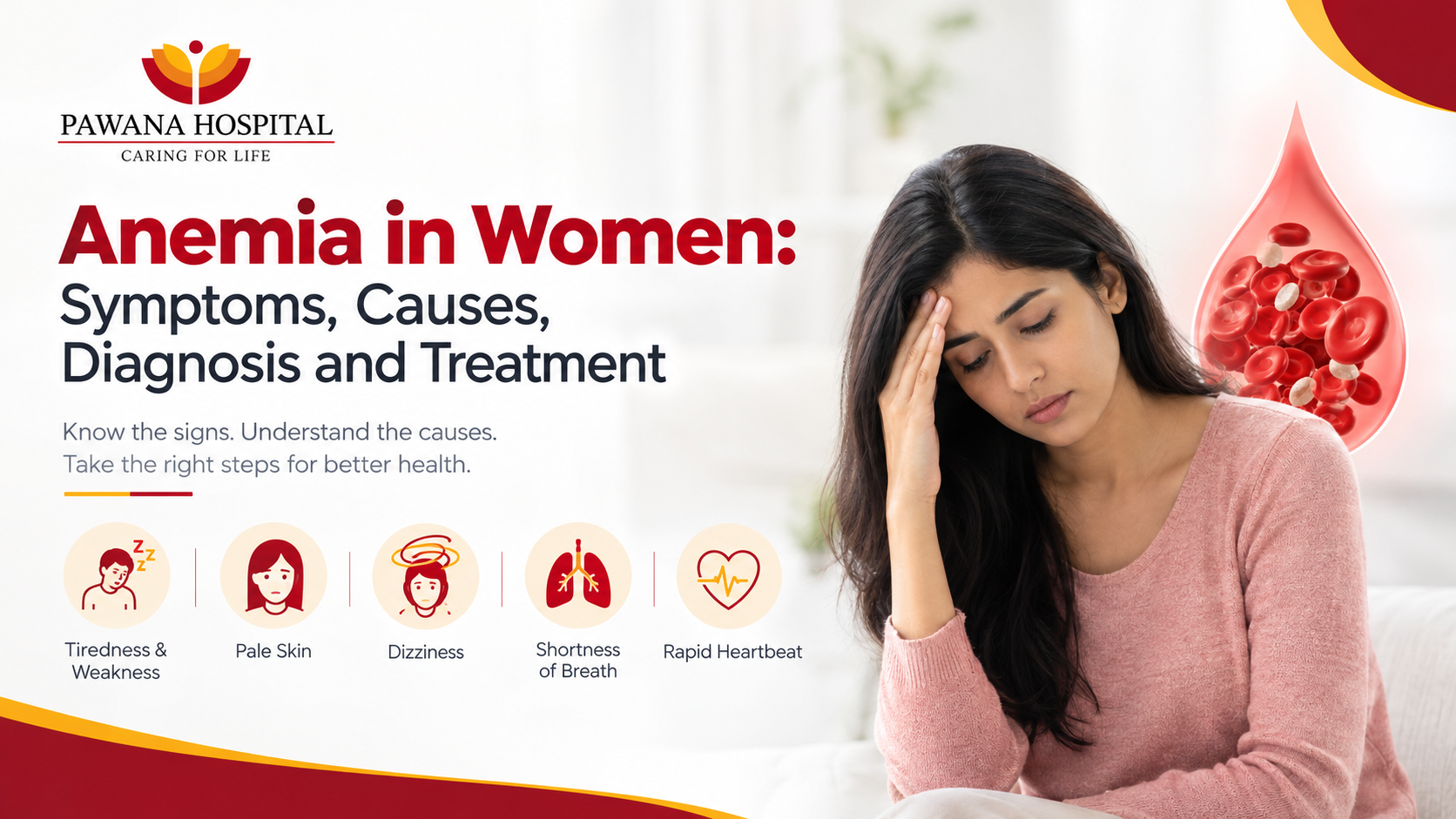
• Persistent tiredness
• Weakness
• Pale skin
• Dizziness or light-headedness
• Shortness of breath
• Headache
• Palpitations or rapid heartbeat
• Difficulty concentrating
• Reduced exercise tolerance
Common Causes in Women
• Iron deficiency
• Heavy or prolonged menstrual bleeding
• Pregnancy and increased iron requirements
• Low intake of iron-rich foods
• Vitamin B12 deficiency
• Folate deficiency
• Gastrointestinal blood loss
• Chronic inflammatory or medical conditions
• Certain inherited blood disorders
Heavy Periods and Iron Loss
Menstrual blood loss is an important cause of iron deficiency in women. Heavy periods may gradually deplete iron stores, sometimes before hemoglobin becomes markedly low. Women who regularly soak through sanitary protection very quickly, have prolonged periods, pass large clots, or experience persistent fatigue and dizziness should discuss these symptoms with a healthcare professional.
Anemia During Pregnancy
Pregnancy increases nutritional and iron requirements. Routine antenatal assessment helps identify anemia so that treatment can be planned according to severity and cause.
How Anemia Is Diagnosed
A complete blood count is commonly used to measure hemoglobin and examine red blood cell indices. The results can provide clues about the type of anemia but often need to be combined with other tests.
Tests That May Be Recommended
• Complete Blood Count (CBC)
• Serum ferritin
• Iron studies
• Vitamin B12 level
• Folate level
• Tests for blood loss or chronic disease when indicated
• Additional tests based on clinical history
Why the Cause Matters
Taking iron without confirming iron deficiency may not address other types of anemia. Persistent or unexplained anemia should be evaluated rather than repeatedly treated without determining the underlying reason.
Treatment
Treatment depends on the cause and severity. Iron deficiency may be treated with dietary measures and iron replacement when indicated. Vitamin B12 or folate deficiency requires appropriate replacement. Heavy menstrual bleeding or gastrointestinal blood loss may require separate treatment. Severe or symptomatic anemia may need more urgent medical management depending on the patient’s condition.
Iron-Rich Foods
• Green leafy vegetables
• Pulses and beans
• Iron-fortified foods
• Eggs
• Meat where appropriate
• Nuts and seeds
Improving Iron Absorption
Dietary iron absorption varies by food source. A balanced diet and individualized nutritional advice can help. Patients should avoid taking high-dose supplements without guidance because excessive supplementation can also cause problems.
When to See a Doctor
Seek medical advice for persistent fatigue, breathlessness, dizziness, palpitations, unusually pale skin, heavy periods, or symptoms that interfere with normal activities. Pregnancy with suspected anemia should be discussed during antenatal care.
FAQs
Is anemia common in women?
Women may be at increased risk because of menstruation, pregnancy, nutrition, and other health conditions.
Can heavy periods cause anemia?
Yes. Repeated heavy blood loss can cause iron deficiency and anemia.
Is fatigue always anemia?
No. Fatigue has many possible causes, so testing may be needed.
Can diet alone correct anemia?
It depends on the cause and severity. Some people require supplements or treatment of another condition.
Should I take iron tablets without testing?
It is better to use iron supplements with medical guidance because not every anemia is caused by iron deficiency.
Conclusion
Anemia in women is common but should not be considered normal. A blood test can identify anemia, while further evaluation helps determine the cause. Appropriate treatment can improve symptoms and help prevent complications.