High Blood Pressure Guide: Symptoms, Causes & Treatment
Table of Contents
ToggleBy Pawana Hospital Team | Gynecology & Endocrinology | August 2026 | 9 min read
High blood pressure, or hypertension, is a common health condition that can gradually damage the heart, blood vessels, kidneys, brain, and other organs if it remains uncontrolled. Because hypertension frequently causes no obvious symptoms, regular blood pressure checks are an important part of preventive healthcare.
What Is High Blood Pressure (Hypertension)?
Blood pressure measures the force of blood against the walls of your arteries as the heart pumps blood throughout the body.
When blood pressure remains consistently higher than recommended levels, it is called hypertension. Diagnosis usually requires properly measured readings rather than relying on a single elevated result.
Understanding Systolic and Diastolic Blood Pressure
A blood pressure reading contains two numbers. The upper number is systolic pressure, which measures pressure when the heart contracts.
The lower number is diastolic pressure, which measures pressure while the heart relaxes between beats. Both values are important when assessing cardiovascular health.
What Is a Normal Blood Pressure Range?
Blood pressure categories can vary slightly depending on the clinical guideline being used and the patient’s health circumstances.
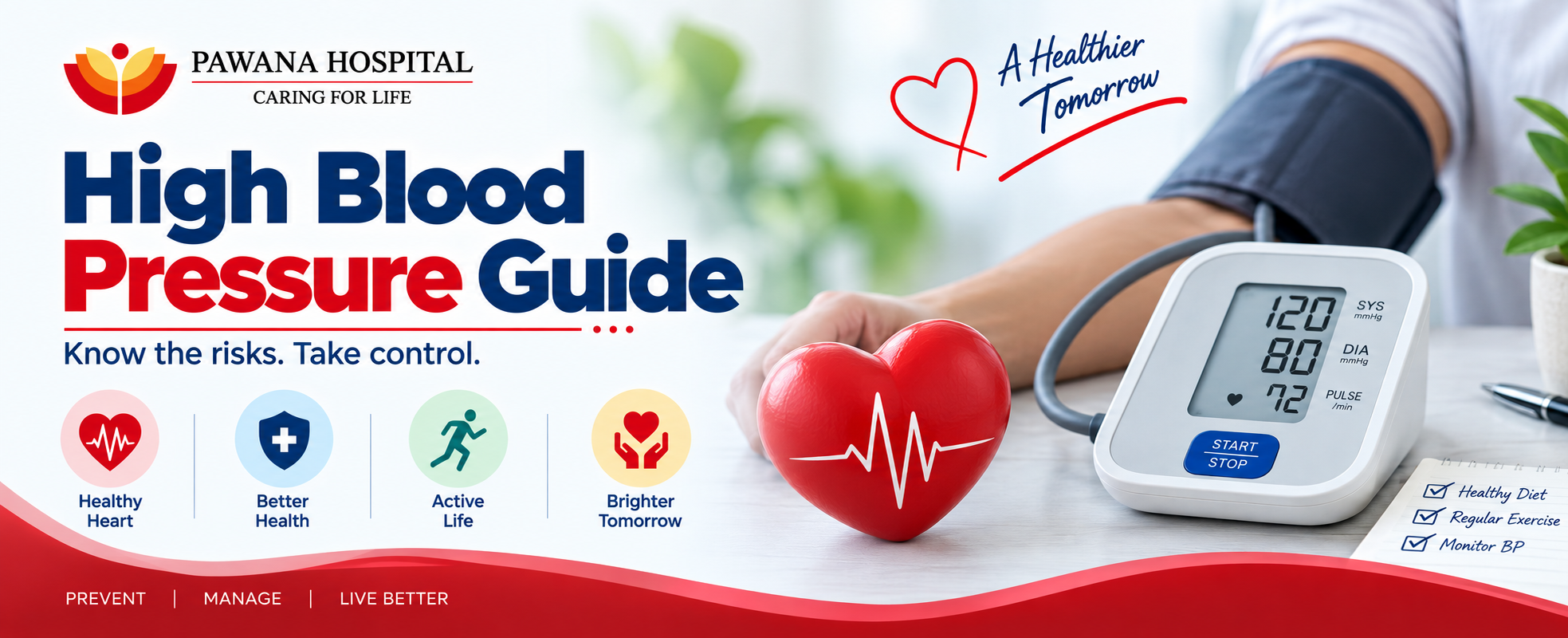
For many adults, a reading around 120/80 mmHg is commonly considered healthy. However, diagnosis and treatment decisions should be made using repeated measurements and individual cardiovascular risk.
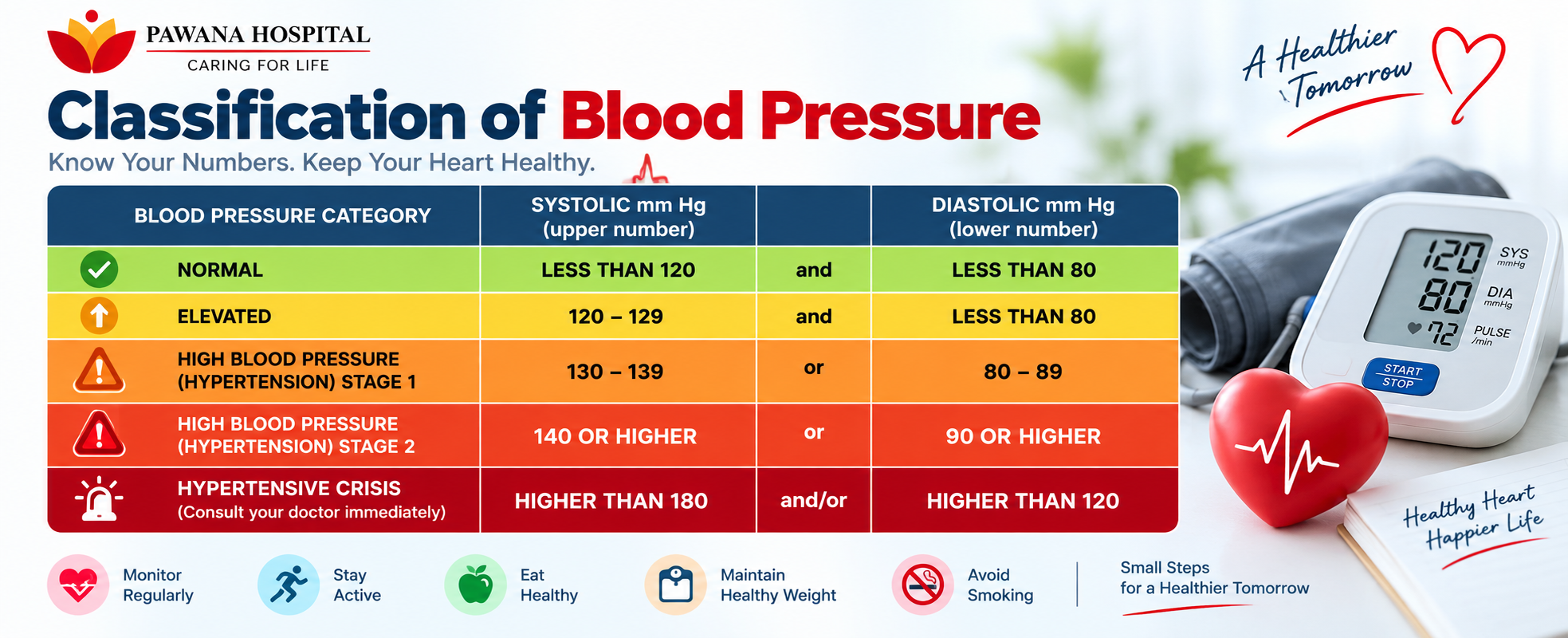
Blood Pressure Levels: Normal, Elevated and High
Doctors classify blood pressure according to systolic and diastolic measurements. Depending on the guideline, readings may be categorized as normal, elevated, or different stages of hypertension.
Because thresholds can differ between guidelines, your doctor can explain what your readings mean based on your age, medical history, and overall cardiovascular risk.
Common Symptoms of High Blood Pressure
Most people with hypertension experience no obvious symptoms. This is why routine blood pressure measurement is important.
Very high blood pressure may sometimes be associated with symptoms such as severe headache, breathing difficulty, chest discomfort, or neurological symptoms, which require medical assessment.
Why Is Hypertension Called a “Silent Killer”?
High blood pressure is often called a silent condition because it can damage organs for years without causing noticeable symptoms. Over time, uncontrolled hypertension can increase the risk of heart disease, stroke, kidney disease, and other serious health problems.
What Causes High Blood Pressure?
In many adults, hypertension develops gradually without one identifiable cause. Genetics, increasing age, excess body weight, high salt intake, insufficient physical activity, and other lifestyle or metabolic factors can contribute.
Some cases are caused by kidney disease, hormonal disorders, certain medicines, or other underlying conditions.
Who Is at Higher Risk of Hypertension?
Risk generally increases with age, family history, obesity, diabetes, kidney disease, high cholesterol, smoking, excessive alcohol consumption, and physical inactivity.
Regular screening is particularly important for people with multiple cardiovascular risk factors.
How Is High Blood Pressure Diagnosed?
Doctors usually diagnose hypertension using repeated, correctly performed blood pressure measurements.
Home blood pressure monitoring or ambulatory monitoring may sometimes be recommended to provide a clearer picture of blood pressure throughout daily life.
How to Check Blood Pressure Correctly at Home
Use a validated blood pressure monitor with an appropriately sized cuff. Sit quietly for several minutes before measuring and keep your back supported, feet flat on the floor, and arm supported around heart level.
Avoid exercise, smoking, or caffeinated drinks shortly before measurement when possible. Follow your doctor’s instructions regarding when and how often to record readings.
Hypertensive Retinopathy Screening: Why Eye Checks Matter in High Blood Pressure
Hypertensive retinopathy screening is performed to evaluate damage to the blood vessels in the retina caused by high blood pressure. Because the retina provides a direct, non-invasive view of the body’s microvasculature, this screening can help identify hypertension-related changes and provide valuable insights into both eye health and cardiovascular risk.
Diet and Lifestyle Changes to Control Blood
Pressure Reducing excessive salt intake, eating a balanced diet, exercising regularly, maintaining a healthy body weight, avoiding tobacco, and limiting alcohol can support blood pressure control.
Good sleep and management of other conditions such as diabetes and high cholesterol are also important for cardiovascular health.
High Blood Pressure Medications and When You Need Them
Some people can improve blood pressure through lifestyle modifications, while others require medication in addition to these changes.
The choice of medicine depends on blood pressure levels, age, other medical conditions, and overall cardiovascular risk.
Blood pressure medicines should be taken according to a doctor’s advice and should not be stopped suddenly without consultation.
Complications of Uncontrolled High Blood Pressure
Long-term uncontrolled hypertension can increase the risk of heart attack, heart failure, stroke, kidney disease, and damage to blood vessels and other organs. Effective blood pressure management can significantly reduce these risks.
When Is High Blood Pressure an Emergency?
Extremely high blood pressure accompanied by symptoms such as chest pain, severe shortness of breath, confusion, weakness, vision changes, or other signs of acute organ problems requires urgent medical attention.
Do not rely solely on home remedies when severe symptoms are present.
When Should You See a Cardiologist?
Consult a doctor if repeated blood pressure readings are high, your blood pressure remains uncontrolled despite treatment, or you have other cardiovascular risk factors.
Immediate medical care is appropriate when high blood pressure occurs with potentially serious symptoms such as chest pain or neurological changes.
Hypertension & Heart Care at Pawana Hospital Pawana
Hospital provides evaluation and treatment for patients with high blood pressure and associated cardiovascular risk factors.
Depending on individual needs, care may include blood pressure assessment, diagnostic investigations, lifestyle guidance, medication management, and evaluation for associated heart conditions.
FAQs
Q1.Is 120/80 mmHg normal blood pressure?
It is generally considered a healthy reading for many adults, although individual targets can vary.
Q2.Can hypertension occur without symptoms?
Yes. Many people with high blood pressure feel completely normal.
Q3.Can lifestyle changes lower blood pressure?
Healthy diet, regular exercise, weight management, reduced salt intake, and other lifestyle changes can help many people.
Q4.Can I stop BP medicine when my readings become normal?
Do not stop prescribed medication without consulting your doctor. Normal readings may indicate that the treatment is working.
Q5. How often should blood pressure be checked?
This depends on your readings and medical history. Your doctor can recommend an appropriate monitoring schedule.
Conclusion
High blood pressure is common but should not be ignored simply because it causes no symptoms. Regular screening can identify hypertension before serious complications develop. Healthy lifestyle habits, appropriate medication when required, and regular medical follow-up can help maintain better blood pressure control and protect long-term cardiovascular health.