Diabetes in India 2026: What Your Blood Sugar Numbers Actually Mean, How to Manage It, and When to See a Doctor
Table of Contents
ToggleBy Pawana Hospital Team | Diabetologist | July 2026 | 9 min read
There’s a moment that happens in a lot of Indian families. Someone gets a routine blood test done — maybe before surgery, maybe just a yearly check-up — and the report comes back with a fasting glucose of 130 or a post-meal reading of 210. The doctor circles it in red. Suddenly there’s a new word in the house: diabetic.
Or sometimes the word is “pre-diabetic,” which people often treat as good news — as if it means “not really.” It doesn’t. Pre-diabetes is the last off-ramp before a condition that quietly damages your kidneys, heart, eyes, and nerves over years before you feel a thing.
India is now home to over 101 million people with diabetes — the second highest in the world. And roughly half of them don’t know it yet.
This guide isn’t meant to scare you. It’s meant to give you a clear, honest picture of what diabetes actually is, what the numbers on your blood test mean, what you can do about it, and when managing it at home isn’t enough anymore.
What Is Diabetes — Really?
At its core, diabetes is a problem with how your body handles glucose — the sugar that comes from the food you eat and serves as your body’s primary fuel source.
Normally, when glucose enters your bloodstream after a meal, the pancreas releases insulin — a hormone that acts like a key, unlocking your cells so glucose can enter and be used for energy. In diabetes, either the pancreas doesn’t produce enough insulin, or the body’s cells have become resistant to it (or both). Glucose builds up in the blood instead of entering cells — and that persistent high blood sugar is what causes damage over time.
It sounds simple. The consequences are not. Chronically elevated blood sugar, even mildly, damages blood vessels and nerves throughout the body — in the kidneys, the eyes, the heart, and the feet. This happens slowly, over years, which is why diabetes is often called a “silent” disease.
Types of Diabetes: Type 1, Type 2, and Gestational
Type 1 Diabetes An autoimmune condition where the body destroys its own insulin-producing cells. Usually diagnosed in children and young adults. Requires lifelong insulin injections — there is no prevention and no cure yet. Relatively rare in India compared to Type 2.
Type 2 Diabetes The most common form — accounting for over 90% of diabetes cases in India. The body still produces insulin, but cells have become resistant to it. Strongly linked to excess weight, physical inactivity, and diet — but genetics and family history also play a significant role. This is the type that often develops silently over years and is commonly discovered during routine blood tests.
Pre-Diabetes Blood sugar levels are higher than normal but not yet in the diabetic range. This is a critical window — lifestyle changes at this stage can prevent or delay Type 2 diabetes entirely.
Gestational Diabetes Develops during pregnancy in women who didn’t previously have diabetes. Usually resolves after delivery, but both mother and child have a higher risk of developing Type 2 diabetes later in life. Regular monitoring during and after pregnancy is important.
Blood Sugar Levels: What’s Normal, Pre-Diabetic, and Diabetic?
This is where a lot of confusion happens. People look at their blood report and don’t know what the numbers actually mean. Here’s a straightforward reference.
Fasting Blood Sugar (FBS) — Tested after at least 8 hours of fasting
|
Category |
Fasting Blood Sugar (mg/dL) |
|
Normal |
Below 100 |
|
Pre-Diabete |
100 – 125 |
|
Diabetes |
126 or above (on two separate tests) |
Postprandial Blood Sugar (PPBS) — Tested 2 hours after a meal
|
Category |
Post-Meal Blood Sugar (mg/dL) |
|
Normal |
Below 140 |
|
Pre-Diabetes |
140 – 199 |
|
Diabetes |
200 or above |
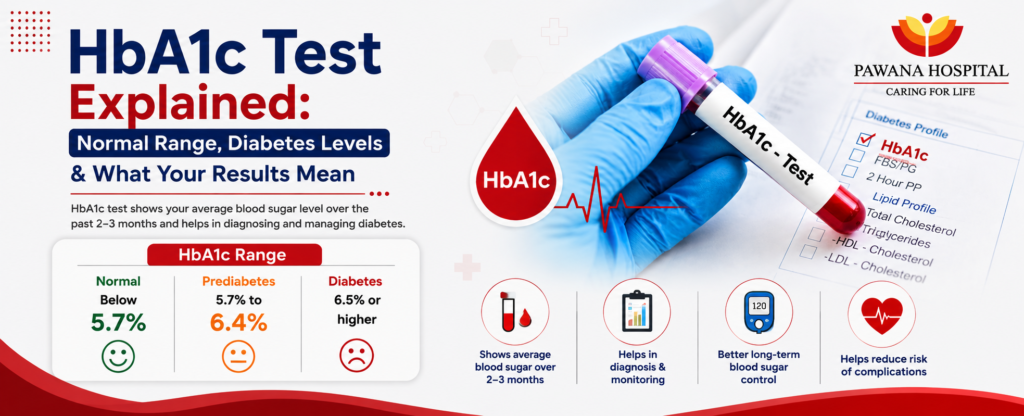
HbA1c (Glycated Haemoglobin) — Reflects average blood sugar over 3 months
|
Category |
HbA1c (%) |
|
Normal |
Below 5.7% |
|
Pre-Diabetes |
5.7% – 6.4% |
|
Diabetes |
6.5% or above |
HbA1c is often more useful than a single fasting or random reading because it shows long-term control rather than just what your blood sugar was on the day of the test. Most diabetologists use it as the primary monitoring tool once a diagnosis is made.
One important note: a single abnormal reading isn’t always conclusive. Stress, illness, certain medications, and even a heavy meal the evening before can affect results. Your doctor will usually confirm with a second test before making a diagnosis.
Symptoms of Diabetes You Shouldn’t Ignore
Type 2 diabetes often has no obvious symptoms in the early stages — which is exactly why so many cases go undetected for years. But when blood sugar is significantly elevated, these signs tend to appear:
The classic ones:
- Excessive thirst — drinking water constantly but never feeling hydrated
- Frequent urination — especially noticeable at night
- Unexplained fatigue — feeling drained even after adequate sleep
- Blurred vision — fluctuating eyesight not explained by prescription changes
- Slow-healing wounds or cuts — especially on the feet
- Frequent infections — skin, gums, or urinary tract infections that keep recurring
Less commonly discussed but important:
- Tingling or numbness in the hands and feet (early nerve damage)
- Darkened skin around the neck or armpits (a sign called acanthosis nigricans — often seen in insulin-resistant individuals)
- Sudden unexpected weight loss — more common in Type 1
If you have a family history of diabetes, are overweight, above 35 years old, or have had gestational diabetes — get screened even if you feel completely fine. Early detection genuinely changes outcomes.
Diabetes Diet in India: What to Eat and What to Avoid
This section gets complicated by the fact that Indian food — rice, roti, dal, sabzi — is often misrepresented as “bad for diabetics.” That’s not accurate. The issue isn’t Indian food; it’s portions, refined carbohydrates, and cooking methods.
What tends to raise blood sugar quickly:
- White rice in large quantities (switch to smaller portions; parboiled or brown rice is better)
- Maida-based items: white bread, biscuits, bakery items, puri, bhatura
- Sugary beverages: chai with excess sugar, packaged juices, soft drinks
- Fried snacks: samosa, vada, chakli consumed frequently
- Refined sugar in desserts and mithai
What helps stabilise blood sugar:
- High-fibre foods: Whole grains (jowar, bajra, ragi), vegetables, legumes, and pulses slow glucose absorption
- Protein at every meal: Dal, curd, eggs, paneer, lean meats — protein helps reduce post-meal spikes
- Healthy fats in moderation: Nuts, seeds, ghee in small amounts (not the enemy it’s been made out to be)
- Non-starchy vegetables: Karela (bitter gourd), methi, palak, cucumber, lauki — excellent for diabetics
- Low-glycaemic fruits: Guava, jamun, papaya, pear — in controlled portions. Bananas and mangoes are fine occasionally, not daily
Practical habits that matter:
- Eat meals at consistent times every day — blood sugar management loves routine
- Don’t skip meals, especially breakfast — skipping causes erratic glucose swings
- Eat slowly and chew properly — it genuinely affects glucose response
- Don’t drink tea or chai immediately after meals — give it 30–45 minutes
A dietitian or diabetologist can create a personalised meal plan that fits your food habits, medication, and blood sugar patterns. There’s no one-size-fits-all diabetes diet.
Exercise, Sleep, and Stress — The Underrated Factors
Exercise Physical activity is one of the most powerful tools for managing blood sugar — often as effective as medication in early Type 2 diabetes. Muscle movement uses glucose directly, reducing blood sugar levels. Even a 30-minute brisk walk after dinner can meaningfully lower your post-meal readings.
Aim for at least 150 minutes of moderate activity per week. Resistance training (light weights, resistance bands) is especially valuable — muscle mass improves insulin sensitivity.
Sleep Chronic poor sleep raises cortisol levels, which in turn raises blood sugar. Studies consistently show that people sleeping less than 6 hours regularly have significantly worse glucose control than those sleeping 7–8 hours. Sleep disorders like sleep apnoea are also strongly linked to insulin resistance.
Stress Stress hormones — particularly cortisol and adrenaline — directly raise blood glucose. This is why many diabetics find their morning readings are higher during stressful periods even when their diet hasn’t changed. Managing stress isn’t a luxury; it’s part of diabetes management. Breathing exercises, walking, prayer, social connection — whatever works for you, build it in.
Diabetes Medications and When You Need Them
Lifestyle changes are the foundation of Type 2 diabetes management — but medication is often needed alongside them, and there’s no shame in that.
Common oral medications:
- Metformin — usually the first medication prescribed; helps the liver produce less glucose and improves insulin sensitivity. Well-tolerated by most.
- Sulfonylureas (like Glipizide, Gliclazide) — stimulate the pancreas to produce more insulin
- SGLT2 inhibitors (Dapagliflozin, Empagliflozin) — cause excess glucose to be excreted through urine; also have heart and kidney protective benefits
- DPP-4 inhibitors (Sitagliptin, Vildagliptin) — help regulate insulin release after meals
Insulin Required in Type 1 diabetes always. In Type 2, insulin may become necessary when the pancreas can no longer produce adequate amounts, or when oral medications aren’t achieving target levels. Modern insulin delivery has improved dramatically — insulin pens are far easier to use than the syringes most people imagine.
Never adjust or stop diabetes medications on your own based on a good reading or how you feel. Blood sugar fluctuations can be dangerous in both directions.
Complications of Uncontrolled Diabetes
This section isn’t meant to alarm — it’s meant to be honest about what’s at stake when diabetes is ignored or poorly managed over years.
Cardiovascular disease: Diabetics have 2–4 times the risk of heart attack and stroke. High blood sugar damages blood vessels, accelerating atherosclerosis (plaque buildup in arteries).
Diabetic nephropathy (kidney damage): One of the leading causes of chronic kidney disease in India. Often symptomless until advanced. Regular urine microalbumin tests can detect it early.
Diabetic retinopathy (eye damage): High blood sugar damages the tiny blood vessels in the retina. Can progress to vision loss and blindness — but annual eye check-ups can catch it before it becomes serious.
Diabetic neuropathy (nerve damage): Tingling, numbness, or pain in the feet and hands. In severe cases leads to loss of sensation — which is why diabetic foot ulcers and infections are so dangerous.
Diabetic foot: Reduced sensation + poor circulation + slow healing = wounds that go unnoticed and don’t heal. A major cause of amputations that are almost entirely preventable with good control and regular foot checks.
The good news: All of these complications are significantly reduced — or delayed by decades — with good blood sugar control. The HbA1c target for most diabetics is below 7%; bringing it from 9% to 7% cuts complication risk dramatically.
When to See a Diabetologist
A general physician can manage straightforward Type 2 diabetes in many cases. But a diabetologist — a specialist in diabetes and endocrine disorders — is important in several situations:
- Your blood sugar is consistently outside target despite medication
- Your HbA1c is above 8–9% and not improving
- You’re experiencing frequent hypoglycaemia (low blood sugar episodes)
- You’re newly diagnosed and unsure how to start
- You have complications — kidney issues, neuropathy, or eye problems
- You’re pregnant with diabetes or at risk for gestational diabetes
- You’re on insulin and need dose adjustments
The Diabetology team at Pawana Hospital manages diabetes alongside related conditions, with the advantage of a full multispecialty setup — so if your diabetes is affecting your kidneys, eyes, or heart, the right specialist is in the same building.
If you’re unsure whether your blood sugar levels need attention, starting with a diabetes-focused health check-up is a practical first step. Pawana’s packages include fasting glucose, HbA1c, lipid profile, kidney function, and more — everything your doctor needs to give you a full picture.
FAQs
Can diabetes be cured? Type 1 cannot be cured currently. Type 2 can be put into remission — meaning normal blood sugar without medication — through significant weight loss and sustained lifestyle changes, especially in early stages. “Remission” is the accurate word; “cured” overstates it, since the tendency can return.
Is diabetes genetic? Will I definitely get it if my parents have it? Family history significantly increases risk, but it’s not destiny. Lifestyle factors — weight, diet, activity — determine whether the genetic predisposition actually develops. Many people with strong family histories never develop diabetes through consistent lifestyle management.
What is a “good” HbA1c level for a diabetic? For most adults with Type 2 diabetes, below 7% is the general target. For older adults or those with significant other health conditions, below 7.5–8% may be acceptable. Your doctor will set a personalised target.
Is rice the main problem in Indian diabetes? Rice is not the villain it’s made out to be. Portion size matters more than elimination. A small amount of rice with dal, vegetables, and protein is far less problematic than large portions of rice alone. Switching to parboiled or brown rice, and eating it with fibre-rich accompaniments, reduces the glucose spike considerably.
Can I exercise if I’m diabetic? Not only can you — you should. Exercise is one of the most effective diabetes treatments available. The key is starting gradually, monitoring blood sugar before and after activity (especially if on insulin or sulfonylureas), and carrying something sweet in case of low blood sugar during exercise.
I feel completely fine — do I still need to manage my blood sugar? Yes. Diabetes damages organs silently. Feeling fine does not mean blood sugar is under control. HbA1c testing every 3 months gives you the real picture regardless of symptoms.
Conclusion
Diabetes is one of those conditions that rewards attention and punishes neglect — not immediately, but over years. The encouraging truth is that it’s also one of the most manageable chronic conditions when approached seriously.
Numbers matter. Get tested. Know your fasting glucose, your post-meal readings, your HbA1c. Understand what they mean. Then work with a doctor to build a plan that fits your life — not a generic one-size-fits-all prescription, but something that accounts for your food, your schedule, your family history, and your current health.
Small, consistent changes — a shorter portion of rice, a 20-minute evening walk, better sleep, less chai sugar — compound over months and years into meaningfully better blood sugar control. And better blood sugar control means a working pair of kidneys, functioning eyes, a heart that isn’t fighting against damaged vessels, and feet you can feel.
If you have concerns about your blood sugar, a family history of diabetes, or symptoms you’ve been putting off, Pawana Hospital’s Diabetology department is equipped to evaluate, diagnose, and manage diabetes comprehensively. You can also start with a health check-up package that includes all key diabetes screening tests in one visit.
Visit the contact page to book an appointment at the Talegaon or Somatne Phata location.
The best time to take diabetes seriously was ten years ago. The second best time is today.
This article is for general informational purposes only and does not constitute medical advice. Please consult a qualified diabetologist or physician for diagnosis and personalised treatment.