
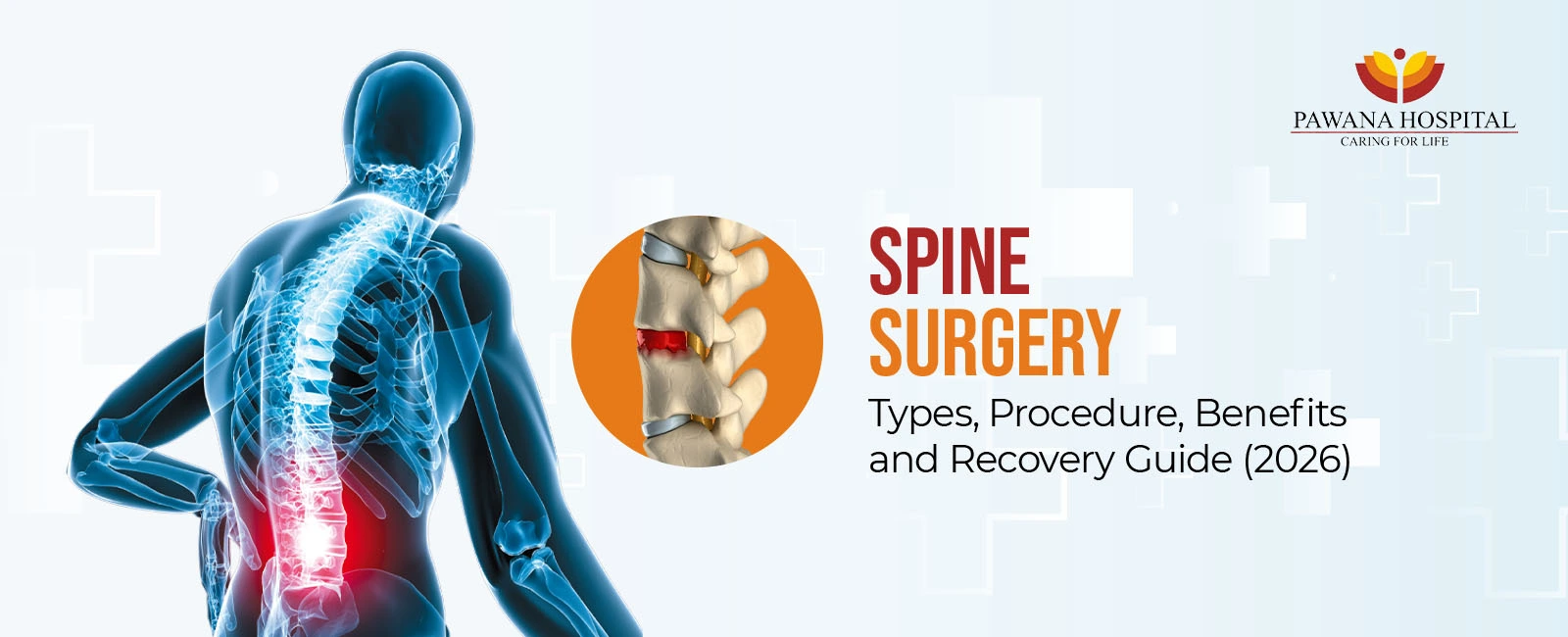
Spine Surgery: Types, Procedure, Benefits and Recovery Guide
Table of Contents
ToggleSpine surgery is a medical treatment used to relieve pain, restore movement, and protect the spinal cord or nerves when other treatments no longer help. In simple terms, it is often recommended when medicines, physiotherapy, and lifestyle changes do not give enough relief, especially in cases of severe back pain, nerve compression, mobility issues, or chronic spinal disorders.
The need for what is spine surgery type care is rising in India as more people spend long hours sitting, struggle with obesity, face injury-related problems, and live longer with age-related spine changes. These factors can lead to ongoing back pain, slipped disc problems, and other conditions that may eventually require a spinal cord operation or another form of spine treatment.
When Is Spine Surgery Needed?
Spine surgery is usually recommended only after non surgical treatments like medicines, physiotherapy, exercise, and lifestyle changes have failed to give enough relief. In many cases, doctors first try to manage the problem without an operation because the spine can often improve with the right conservative care.
Surgery may be considered when a person has severe or long lasting back or neck pain, numbness, tingling, weakness in the arms or legs, difficulty walking, or even loss of bladder or bowel control. These symptoms can suggest that nerves are being compressed or that the spine is becoming unstable.
Common conditions that may require spine treatment include slipped disc, spinal stenosis, sciatica, degenerative disc disease, scoliosis, and spine injuries. In some patients, these problems can lead to ongoing pain and reduced movement, which may affect daily life and work.
The good news is that modern spine surgery types are much safer than before, and minimally invasive techniques can help many patients recover faster with less discomfort. For the right patient, a timely spine operation can reduce nerve pressure, improve mobility, and support a better quality of life.
Types Of Spine Surgery
Here are the major spine surgery types explained in simple patient friendly language.
Discectomy
This procedure removes the part of a slipped or herniated disc that is pressing on a nerve. Doctors may recommend it for a slipped disc, sciatica, or leg pain that does not improve with non surgical treatment. It can reduce nerve pressure, ease pain, and improve movement. Recovery is often quicker than with major open surgery, and many patients are able to return to light activity within a few weeks.
Laminectomy
This surgery removes a small part of the bone called the lamina to create more space for the spinal cord and nerves. It is commonly used for spinal stenosis, where narrowing in the spine causes pain, numbness, or weakness. The main benefit is relief from nerve compression, along with better walking ability and less pain. Recovery time varies, but patients often need several weeks before resuming normal activity.
Spinal Fusion
Spinal fusion joins two or more bones in the spine so they heal into one solid unit. Doctors may recommend it for unstable spine conditions, severe degenerative disc disease, spinal injuries, or deformities. The procedure helps improve spinal stability, reduce pain from movement, and prevent further damage. Recovery is usually longer than for simpler procedures, and healing can take several months.
Artificial Disc Replacement
In this surgery, the damaged disc is removed and replaced with an artificial one that helps preserve motion. It is often used for selected patients with disc damage in the neck or lower back. Doctors may suggest it when they want to relieve pain while keeping more natural movement than fusion. Recovery can be faster than fusion in some cases, although it still depends on the person and the level of surgery.
Minimally Invasive Spine Surgery
MISS uses smaller cuts and specialised instruments to treat spine problems with less tissue damage. It may be used for slipped disc, spinal stenosis, or some fusion procedures. The major benefits are less pain, lower blood loss, smaller scars, and a faster return to daily life. Many patients recover more quickly than they would after traditional open surgery.
Kyphoplasty / Vertebroplasty
These procedures are used to stabilise a weakened or fractured vertebra, often by injecting bone cement into the bone. Doctors commonly recommend them for compression fractures, especially in people with osteoporosis or spine injuries. They help reduce pain, improve support, and make movement easier. Recovery is often fairly quick, with many patients noticing relief soon after treatment.
Scoliosis Surgery
This surgery is used to correct a sideways curve in the spine and improve alignment. It may be recommended when scoliosis is severe, painful, or getting worse over time. The main goals are better spinal balance, less pain, and prevention of further deformity. Recovery is usually more gradual and can take several weeks to months, depending on the complexity of the surgery.
Each of these spine treatment options is chosen based on the exact problem, symptom severity, and how much the spine is affecting daily life. In the right patient, the goal is not only pain relief but also better nerve function, movement, and long term spinal support.
The Shift to MISS: Minimally Invasive Spine Surgery
Traditional open spine surgery often requires a larger incision, more muscle dissection, and a longer healing period. Today, many spine surgeons prefer Minimally Invasive Spine Surgery and Endoscopic Spine Surgery because they aim to treat the same problem while causing less tissue damage. This shift has improved comfort, reduced hospital time, and made recovery easier for many patients.
MISS is especially useful when the goal is to relieve nerve pressure, stabilise the spine, or treat a slipped disc without the trauma of a major open procedure. It is not suitable for every case, but when the condition allows it, the benefits can be significant.
|
Factors |
Minimally Invasive |
Open Surgery |
|
Incision size |
Smaller |
Larger |
|
Pain |
Less |
More |
|
Recovery time |
Faster |
Longer |
|
Blood loss |
Less |
More |
|
Hospital stay |
Shorter |
Longer |
The main reason for this change is simple. Smaller cuts often mean less pain, lower risk of infection, quicker mobilisation, and an earlier return to daily life. For many patients, that makes MISS a more comfortable form of spine surgery and a better option when it is clinically appropriate.
Spine Surgery Procedure: Step-By-Step
Step 1: Consultation and evaluation
The process begins with a specialist consultation, where the doctor reviews symptoms, medical history, and daily limitations. This helps identify whether the problem may be related to a slipped disc, spinal stenosis, nerve compression, or another spinal condition.
Step 2: Diagnosis and scans
The doctor usually advises tests such as MRI or CT scans to see the spine clearly and confirm the exact area causing pain or weakness. Blood tests and other routine checks may also be done to make sure the patient is fit for surgery.
Step 3: Pre surgery preparation
Before the operation, patients are given instructions on fasting, medicines to stop or continue, and activity restrictions. This preparation helps reduce risk and makes the surgery safer.
Step 4: Anaesthesia
On the day of surgery, the patient is given anaesthesia so the procedure can be performed without pain. Depending on the case, the doctor may use general anaesthesia or another suitable form of pain control.
Step 5: Surgical procedure
The surgeon then treats the affected area of the spine based on the condition. This may involve removing pressure from a nerve, stabilising the spine, replacing a damaged disc, or correcting a spinal deformity.
Step 6: Recovery monitoring
After surgery, the patient is closely observed for pain control, movement, and any early signs of complications. Nurses and doctors monitor the patient until they are stable and comfortable.
Step 7: Pain management and physiotherapy
Medicines are given to control pain, and physiotherapy may begin early depending on the surgery. Gentle movement and guided exercises can support healing and improve strength over time.
Step 8: Hospital stay and discharge
Some patients stay in hospital for a short period, while others may need longer monitoring depending on the surgery type. Before discharge, the patient receives instructions on wound care, activity limits, medicines, and follow up visits.
Recovery time varies from one patient to another and depends on the type of surgery, overall health, and how severe the spine problem was before treatment. In many cases, a carefully planned spine surgery recovery process helps patients return to daily life in a safer and more comfortable way.
Benefits Of Spine Surgery
Spine surgery can make a meaningful difference for patients whose pain, nerve compression, or limited movement has not improved with other treatments. In the right case, it may help reduce discomfort, improve mobility, and support a better quality of life.
- Pain relief
It can reduce long lasting back pain, neck pain, or pain that spreads into the arms or legs. - Reduced nerve pressure
It can relieve pressure on compressed nerves, which may help with numbness, tingling, and weakness. - Improved mobility
It can make it easier to walk, sit, bend, and move with less discomfort. - Better posture and alignment
It can help improve spinal balance in certain conditions such as scoliosis or deformity. - Increased strength and function
It may support gradual recovery of strength and day to day function after nerve pressure is relieved. - Improved quality of life
Many patients are able to return to routine activities, sleep better, and feel more active after recovery.
Results still depend on the patient’s condition, the type of surgery, and how carefully recovery instructions are followed.
Risks and Complications of Spine Surgery
Like any major medical procedure, spine surgery has some possible risks and complications, but these are usually discussed in advance so the patient can make an informed decision. The main aim is to balance the likely benefit against the possible side effects, especially when pain, nerve compression, or weakness is already affecting daily life.
Some of the common risks include infection, bleeding, nerve damage, blood clots, pain, stiffness, anaesthesia related complications, and delayed healing. In some cases, the expected relief may take time, and recovery may be slower than planned depending on the patient’s overall health, age, and the complexity of the spine operation.
It is also important to remember that outcomes vary from person to person. A patient with a simple slipped disc may recover quite differently from someone who has had a more complex spinal fusion surgery or treatment for a long standing spine problem. With proper surgical care, follow up, and rehabilitation, many people still do well and improve steadily over time.
The Indian Recovery Guide: Returning to Daily Life
Recovery after spine surgery is practical and step based, and the exact pace depends on the type of surgery, the patient’s health, and how much nerve or muscle irritation was present before the operation. In most cases, the early goal is to control pain, protect the surgical area, and help the patient start moving safely as soon as possible.
First 24 to 72 hours
Most patients stay in hospital for a short period after surgery, often for observation, pain control, and basic mobility support. Walking usually begins early, sometimes within the first day, if the doctor feels it is safe. Pain medicines are given to keep discomfort under control, and the surgical wound is monitored for bleeding, swelling, or infection signs.
First 2 weeks
During the first two weeks, the focus stays on rest, wound care, and gentle movement. Patients are usually advised to keep the incision clean and dry, follow medicine instructions carefully, and avoid bending, twisting, or lifting anything heavy. If a brace has been prescribed, it should be worn exactly as advised by the surgeon.
4 to 6 weeks
By this stage, many patients begin to feel more confident in daily movement, although the body is still healing internally. Physiotherapy may start or become more structured, depending on the surgery type. Short walks, light home activity, and posture correction are usually encouraged, while prolonged sitting and awkward bending should still be limited.
6 to 12 weeks
This is often the period when patients gradually return to office work, especially if the job is desk based and does not involve heavy lifting. Physical work usually takes longer, because jobs that involve bending, carrying, standing for long hours, or manual labour can place more stress on the spine. Follow up visits are important during this time so the surgeon can check healing and adjust activity advice.
Longer recovery for complex surgeries
More complex procedures such as spinal fusion surgery may take longer to heal, and some patients need several months before they feel fully recovered. These cases often need a more careful return to work, continued physiotherapy, and regular review appointments. Recovery can also be slower if the patient had severe weakness, long standing nerve compression, or other health problems before surgery.
Practical recovery advice
A good recovery plan usually includes enough hydration, a balanced diet with protein and fibre, and proper rest. Patients should maintain a safe posture while sitting and standing, avoid sudden movements, and follow lifting precautions strictly. The most important part is consistency, because regular follow up, guided exercise, and careful activity progression often make recovery smoother and safer.
Success Rate of Spine Surgery
Spine surgery has a good success rate for many patients, especially when it is done for the right condition at the right time. In general, the outcome is often better when surgery is used to relieve nerve pressure, stabilise the spine, or correct a problem that has not improved with conservative treatment.
Success, however, does not mean the same thing for every patient. Some people mainly experience pain relief, while others notice better walking ability, improved strength, or a return to normal daily activity. In many cases, the final result depends on how advanced the problem was before surgery and how well the recovery plan is followed.
A few important factors can affect the success of spine surgery. These include the patient’s age, overall health, the type of condition being treated, the surgeon’s expertise, and the quality of post surgery care. Patients who are otherwise healthy, have a clear surgical indication, and follow physiotherapy and follow up advice usually have a better chance of a smooth recovery.
When spinal problems are treated early, results are often more predictable. For advanced cases, especially long standing nerve compression or complex spine treatment needs, recovery may take longer and improvement may be gradual.
Spine Surgery Related FAQs
How long does spine surgery take?
The surgery itself may take anywhere from about one to several hours, depending on the type of procedure and how complex the spine problem is.
How much does spine surgery cost in India?
The cost of spine surgery in India varies widely based on the hospital, city, surgeon expertise, surgery type, implant use, and hospital stay.
Does health insurance cover spine surgery in India?
In many cases, yes, but coverage depends on the policy, medical need, hospital network, and approval terms set by the insurer.
How do I prepare for spine surgery?
Preparation usually includes consultation, scans, blood tests, stopping or adjusting certain medicines, fasting before surgery, and following the surgeon’s instructions carefully.
What are spine surgery techniques?
Common techniques include open surgery, minimally invasive spine surgery, endoscopic surgery, decompression, fusion, disc replacement, and stabilisation procedures.
What is the difference between minimally invasive spine surgery vs. laser spine surgery?
Minimally invasive spine surgery uses small incisions and specialised instruments to treat the spine, while laser spine surgery is a more specific technique that uses laser energy in selected cases. MISS is a broader and more widely used approach.
Conclusion
Spine surgery can help patients who continue to struggle with pain, nerve compression, mobility issues, or chronic spine problems even after non surgical treatment. Depending on the condition, treatment may involve discectomy, laminectomy, spinal fusion, artificial disc replacement, minimally invasive spine surgery, kyphoplasty, vertebroplasty, or scoliosis surgery. Each option has its own purpose, benefits, risks, and recovery pattern, so the right approach always depends on the patient’s diagnosis and overall health.
The procedure usually begins with consultation and scans, followed by surgery under anaesthesia, and then monitored recovery with pain control, physiotherapy, and follow up care. While many patients experience pain relief, better movement, and improved quality of life, recovery time can vary based on the surgery type and the patient’s condition. If you or your loved one is facing a spine problem, consult the spine specialists at Pawana Hospital for proper diagnosis and personalised treatment guidance.