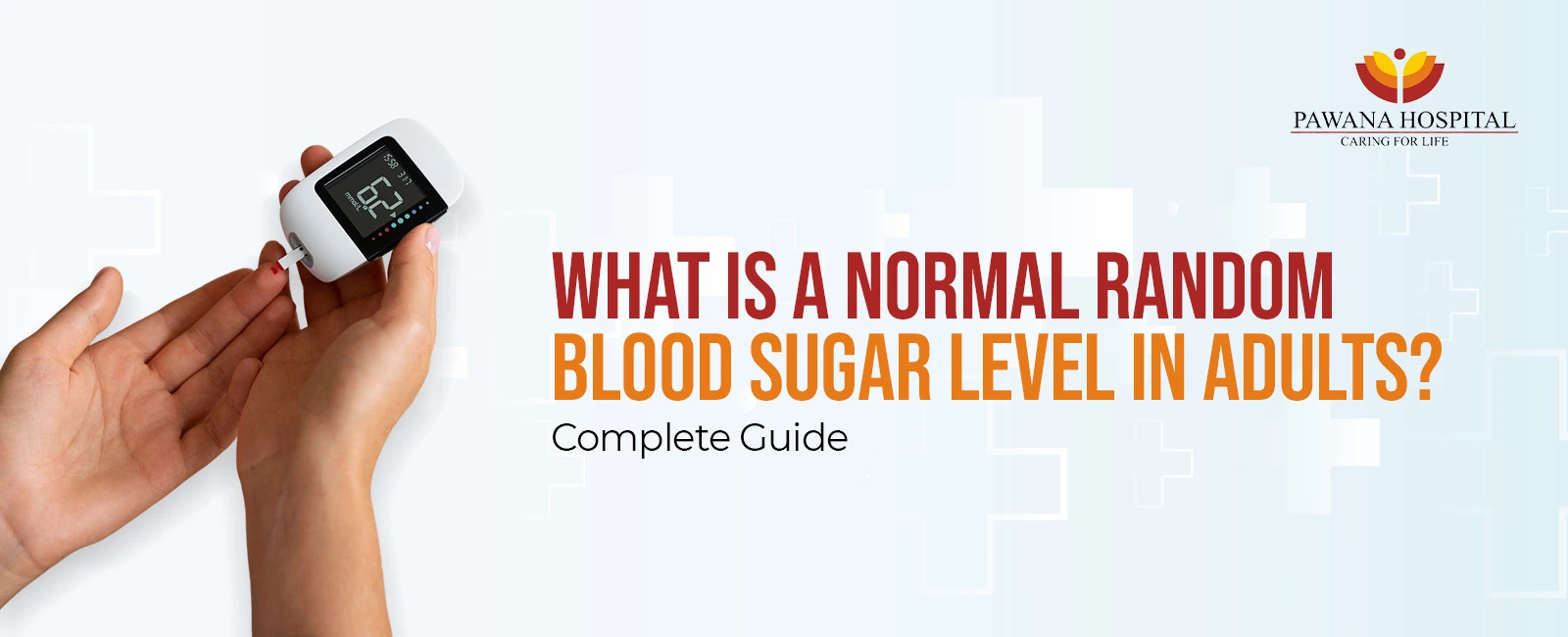
What Is a Normal Random Blood Sugar Level in Adults? Complete Guide
Table of Contents
ToggleFor a healthy adult, the normal random blood sugar level is under 140 mg/dL, regardless of when you last ate. A reading consistently above this range may indicate prediabetes or diabetes and warrants further evaluation by a doctor.
A Random Blood Sugar (RBS) test is one of the simplest and most convenient blood glucose tests available. Unlike fasting blood sugar tests, the RBS test requires no prior fasting and can be done at any time of day. A small blood sample is taken, and the result reflects your blood glucose level at that precise moment.
It is often the first test a doctor orders when diabetes is suspected, making it a critical tool in early detection and timely intervention.
Understanding the Random Blood Sugar (RBS) Range Chart?
The table below classifies random blood sugar ranges based on standard clinical guidelines from the WHO and ICMR:
|
RBS Category |
Blood Glucose Range (mg/dL) |
What It Means |
|
Normal |
Below 140 mg/dL |
Your body is managing glucose effectively |
|
Prediabetes / Elevated |
140 to 199 mg/dL |
Impaired glucose tolerance; risk of developing diabetes |
|
Diabetes (Suspected) |
200 mg/dL or higher |
Strongly indicates diabetes; requires confirmatory testing |
It is important to understand that one high reading does not automatically mean you have diabetes. Blood sugar levels can be temporarily elevated due to stress, illness, certain medications, or a recent high-carbohydrate meal. A single RBS reading outside the random blood sugar normal range is a signal to investigate further, not an automatic diagnosis.
If your random glucose levels fall in the prediabetes or suspected diabetes range, your doctor will typically recommend confirmatory tests such as a Fasting Blood Sugar (FBS) test, a Postprandial Blood Sugar (PPBS) test, or an HbA1c test before arriving at a diagnosis. As the NIDDK notes, a confirmed diagnosis of diabetes requires at least two abnormal test results on separate occasions.
Random Blood Sugar Levels Chart by Age
While the normal random blood sugar level in adults remains consistent across most age groups, the body’s ability to regulate glucose can change with age. The table below provides age-wise reference ranges:
|
Age Group |
Ideal Random Blood Sugar Range |
What It Means |
|
18 to 40 years |
Below 140 mg/dL |
Optimal glucose regulation expected in healthy adults |
|
40 to 60 years |
Below 140 mg/dL |
Target remains the same; lifestyle factors become more critical |
|
Above 60 years |
Below 140 mg/dL (slight variations possible) |
Older adults may show minor fluctuations; clinical context matters |
The ideal random blood sugar target of under 140 mg/dL applies across all adult age groups. However, for seniors above 60, doctors may interpret borderline readings with greater clinical flexibility, factoring in coexisting conditions, medications, and overall health status.
It is also worth noting that as people age, the risk of developing type 2 diabetes increases significantly. According to the WHO, the global prevalence of diabetes is rising steadily, with older adults and those with sedentary lifestyles being among the most vulnerable groups. Regular monitoring of your average random blood sugar level becomes increasingly important after the age of 40, even in the absence of symptoms.
If you are concerned about your blood sugar readings at any age, our Diabetology team at Pawana Hospital can guide you with accurate testing, diagnosis, and personalised management.
Why Do Random Blood Sugar Levels Fluctuate?
Blood sugar is not a fixed number. It rises and falls throughout the day in response to what you eat, how active you are, how well you slept, and even how stressed you feel. This is completely normal physiology, and it is why a single RBS reading must always be evaluated in context rather than in isolation.
Food and Diet
Meals rich in carbohydrates cause the most immediate and noticeable spikes in random glucose levels. In the Indian diet, staples such as rice, chapati, and dal are high in carbohydrates and can cause a measurable rise in blood sugar within 30 to 60 minutes of eating. Festive sweets, deep-fried snacks, sugary beverages, and processed foods can push this spike even higher. This does not automatically mean something is wrong. What matters is how quickly your body brings levels back into the random blood sugar normal range after a meal.
Stress
Acute physical or emotional stress triggers the release of cortisol and adrenaline, both of which raise blood glucose levels as part of the body’s natural fight-or-flight response. A stressful day at work, an argument, or even a medical procedure can temporarily elevate your RBS test normal range reading.
Sleep Deprivation
Poor or insufficient sleep disrupts the hormones that regulate insulin sensitivity. Even one night of inadequate sleep can cause a temporary rise in fasting and random blood sugar readings.
Illness and Infections
When the body is fighting an infection or managing an illness, stress hormones are released that can push random blood sugar range readings above normal. This is particularly common during fever, urinary tract infections, or any acute inflammatory condition.
This is why your doctor will never diagnose diabetes on the basis of a single elevated reading alone. Context, timing, and confirmatory testing all matter.
Symptoms that Warrant an RBS Test
Sometimes your body sends clear signals that your blood sugar levels may be outside the normal random blood sugar range. Recognising these warning signs early and getting an RBS test promptly can make a significant difference to your health outcomes.
Signs of High Blood Sugar (Hyperglycaemia: Above 140 mg/dL)
- Frequent urination, particularly at night
- Excessive thirst that does not resolve with normal fluid intake
- Unexplained fatigue or persistent low energy
- Blurred vision or difficulty focusing
- Slow-healing cuts, wounds, or bruises
- Recurring skin or urinary tract infections
- Sudden unexplained weight loss despite eating normally
Signs of Low Blood Sugar (Hypoglycaemia: Below 70 mg/dL)
- Sudden shakiness or trembling
- Excessive sweating without physical exertion
- Dizziness or light-headedness
- Rapid or irregular heartbeat
- Confusion, difficulty concentrating, or unusual irritability
- Extreme hunger, even shortly after eating
- Blurred vision or headache
Both hyperglycaemia and hypoglycaemia require prompt medical attention. If you or a family member experience any of the symptoms above, an RBS test is the fastest and most accessible first step. Do not wait for symptoms to worsen.
Uncontrolled blood sugar also places significant strain on the heart over time. If you have been diagnosed with diabetes or prediabetes, we strongly recommend a cardiac evaluation alongside diabetes management. Our Cardiology team at Pawana Hospital works closely with our diabetes specialists to provide integrated, whole-body care.
RBS vs. Fasting Blood Sugar vs. HbA1c: What’s the Difference?
An RBS test is an excellent first-line screening tool. It is quick, requires no preparation, and gives your doctor an immediate snapshot of your random glucose levels at a given moment. However, because blood sugar naturally fluctuates throughout the day, doctors rarely rely on a single RBS reading alone to diagnose diabetes. A comprehensive picture requires additional tests.
Here is how the three most common blood sugar tests compare:
|
Test |
When It Is Done |
What It Measures |
Normal Range |
|
Random Blood Sugar (RBS) |
Any time, no fasting needed |
Blood glucose at that moment |
Below 140 mg/dL |
|
Fasting Blood Sugar (FBS) |
After 8 to 10 hours of fasting |
Baseline glucose without food influence |
70 to 100 mg/dL |
|
HbA1c |
Any time, no fasting needed |
Average blood glucose over the past 3 months |
Below 5.7% |
Fasting Blood Sugar (FBS)
This test is done after at least 8 to 10 hours of no food or drink (other than water). It eliminates the influence of recent meals and gives a cleaner baseline reading of how your body manages glucose in a rested state.
HbA1c
This is the most comprehensive of the three. Rather than capturing a single moment, the HbA1c test measures what percentage of your haemoglobin has glucose attached to it, reflecting your average random blood sugar level over the past two to three months. It is particularly useful for monitoring long-term diabetes management and treatment effectiveness. According to the NIDDK, an HbA1c of 6.5% or above on two separate tests confirms a diabetes diagnosis.
Think of it this way: an RBS test tells you what is happening right now, an FBS test shows your baseline, and an HbA1c tells the full story of the past three months.
How to Maintain Healthy Blood Sugar Levels?
Regular exercise helps your body use insulin better, which keeps blood sugar more stable. Even simple habits like brisk walking, strength training, or a short walk after meals can help reduce sugar spikes.
A balanced diet also matters. Eat more whole grains, vegetables, fibre, lean protein, and healthy fats, and cut down on sugar, refined carbs, and sweet drinks.
Hydration, consistent meal timing, and portion control can help prevent sudden swings in random glucose levels. Good sleep, stress management, avoiding smoking, and limiting alcohol also support better blood sugar control.
What Is the 15-Minute Rule for Blood Sugar?
The 15 minute rule, also called the 15 15 rule, is used when blood sugar drops too low. It means taking 15 grams of fast acting carbohydrate, then checking blood sugar again after 15 minutes.
Simple examples of about 15 grams include 4 glucose tablets, 1 half cup of juice, or 1 tablespoon of sugar dissolved in water. The exact amount can vary by product, so always check the label if possible.
If blood sugar is still low after 15 minutes, take another 15 grams and check again after 15 minutes. Get emergency help right away if the person is confused, has a very low reading, faints, has a seizure, or does not respond after repeated treatment.
FAQs
What blood sugar level indicates controlled diabetes?
A commonly used target is an HbA1c below 7.0% for many adults, which corresponds to average blood glucose control; your doctor may set a stricter or looser goal based on age and health.
What is a dangerous level of blood sugar?
A random reading at or above 200 mg/dL is suggestive of diabetes and needs follow-up; levels below 70 mg/dL are dangerous and require immediate correction.
How often should I check my blood sugar?
If you have diabetes, frequency depends on treatment: people on insulin may test multiple times daily, while those managed by diet or oral drugs may test less often; follow your clinician’s plan.
Are blood sugar levels different for men and women?
Target ranges are the same for adult men and women, though hormonal changes such as pregnancy or menstrual cycle can affect readings and require specific guidance.
How soon after eating should I check my blood sugar?
Post-meal (postprandial) checks are usually done about 1.5 to 2 hours after starting a meal to assess peak glucose response; a value below 140 mg/dL is generally desirable for non-diabetic adults.
Conclusion
Keep it simple: eat a balanced, portion-controlled diet, stay physically active most days, and monitor your blood sugar regularly. Use the 15 minute rule for hypoglycaemia and seek immediate help if symptoms are severe or do not improve.
If you have diabetes, frequent low readings, or are unsure about any result, consult our specialists at Pawana Hospital for personalised testing and care.