
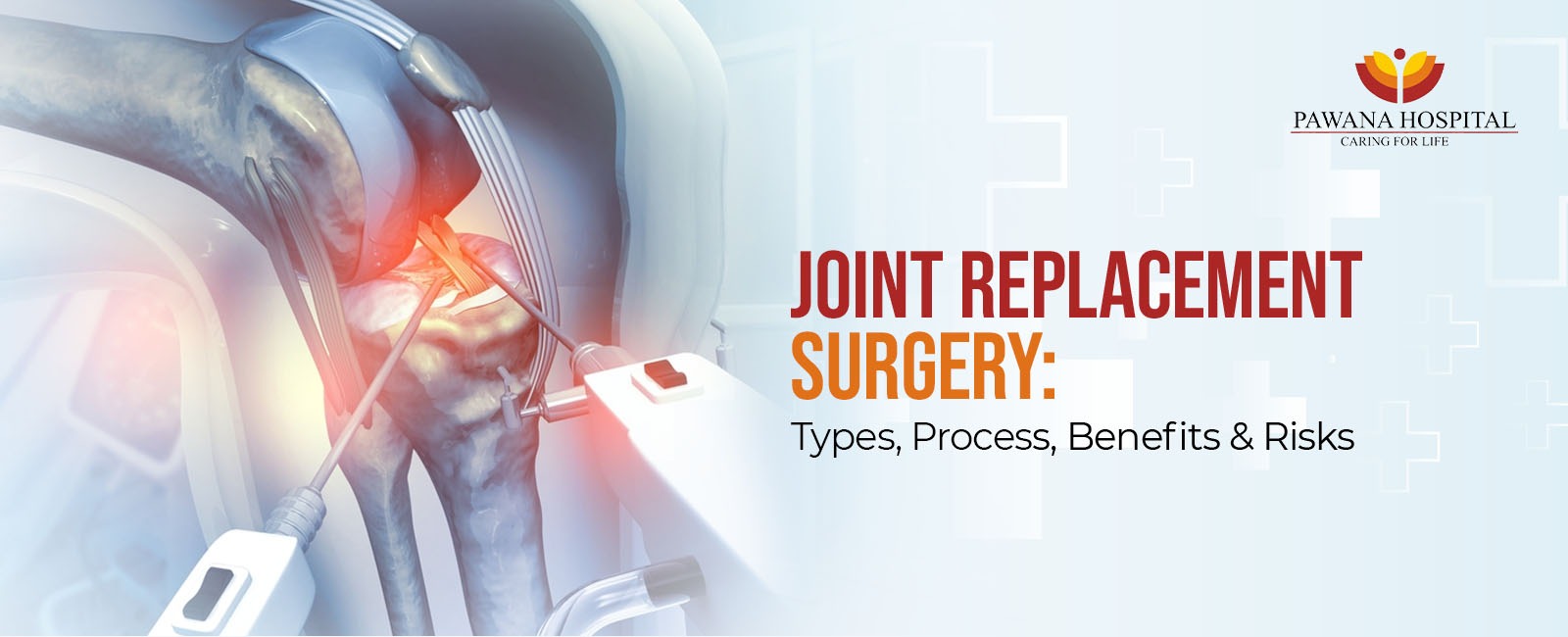
Joint Replacement Surgery: Types, Procedure, Benefits & Risks
Table of Contents
ToggleLiving with constant joint pain can quietly take over your daily life. Simple activities like walking, climbing stairs, or even getting up from a chair can become difficult and exhausting. Over time, this not only affects mobility but also reduces independence and overall quality of life.
For many patients, joint replacement surgery offers a reliable and long-term solution. Also known as What is Arthroplasty, this procedure involves replacing a damaged joint with an artificial implant to restore smooth movement and relieve pain. It is widely regarded as one of the most successful and life-changing treatments in modern orthopaedics.
If you or a loved one has been advised surgery or is considering options like Knee Replacement Surgery or even robotic joint replacement surgery, it is important to understand the process thoroughly.
In this guide, we will walk you through the Types of Joint Replacement, how the procedure is performed, its benefits, and important joint replacement surgery risks—so you can make a confident and informed decision about your treatment.
What is Joint Replacement Surgery (Arthroplasty)?
Joint replacement surgery, or What is Arthroplasty, is a procedure used to treat severely damaged joints that cause persistent pain and restricted movement. In simple terms, it involves removing the worn-out parts of a joint and replacing them with an artificial implant.
During the procedure, the surgeon removes the damaged cartilage and a small portion of bone from the affected joint. These are then replaced with a prosthesis made of durable materials such as metal, ceramic, or high-grade plastic. The artificial joint is designed to mimic the natural movement of a healthy joint, allowing smoother and pain-free motion.
This is why joint replacement surgery is often recommended when other treatments no longer provide relief—it helps restore function, improve mobility, and significantly enhance a patient’s quality of life.
When is Joint Replacement Surgery Needed?
Joint replacement is usually considered when joint damage becomes severe and starts affecting everyday life. It is typically recommended after non-surgical treatments like medication, physiotherapy, and lifestyle changes no longer provide adequate relief.
Common Conditions Leading to Surgery
- Osteoarthritis – The most common cause, where cartilage wears down over time due to ageing or wear and tear.
- Rheumatoid arthritis – An autoimmune condition that causes inflammation and joint damage.
- Post-traumatic arthritis – Develops after injuries such as fractures or ligament damage.
- Joint deformity – Structural changes in the joint that affect alignment and movement.
- Avascular necrosis – Reduced blood supply to the bone, leading to joint collapse.
Signs You May Need Joint Replacement
You may be advised joint replacement surgery if you experience:
- Severe joint pain even at rest
- Difficulty walking, standing, or climbing stairs
- Stiffness and limited range of motion
- Pain that does not improve with medication or physiotherapy
- Reduced ability to perform daily activities
- Swelling or inflammation that persists over time
Common Types of Joint Replacement Surgeries
Joint replacement procedures are broadly classified based on the joint being treated and the type of surgical technique used. Understanding these categories helps patients make informed decisions in consultation with their orthopaedic specialist.
Categorisation Based on Joint Location
Different joints in the body can be replaced depending on the severity of damage and functional limitation:
- Knee Replacement Surgery
This is the most commonly performed joint replacement surgery. It is primarily recommended for patients with advanced osteoarthritis, severe knee pain, or injury. Procedures like total knee arthroplasty are highly effective in restoring mobility and reducing pain. - Hip Replacement
Hip replacement is advised for conditions such as hip fractures, severe arthritis, or avascular necrosis. It helps restore stability and smooth movement of the pelvic joint, significantly improving walking ability. - Shoulder & Spine Surgeries
Although less common than knee and hip replacements, these are highly specialised procedures. At the best joint and spine hospital in Pune, such as Pawana Hospital, dedicated expertise in joint and spine care ensures precise diagnosis and advanced surgical treatment. - Other Joints
In certain cases, joints like the elbow, ankle, and even finger joints (knuckles) may be replaced. These are usually recommended for severe trauma or advanced rheumatoid arthritis.
Categorisation Based on Procedure Type
The type of procedure is selected based on the patient’s condition, age, activity level, and extent of joint damage. An experienced orthopaedic surgeon will determine the most suitable approach.
- Total Joint Replacement (TJR)
In this procedure, the entire joint—both sides of the bone along with the damaged cartilage—is replaced with artificial components. This is commonly performed in Knee Replacement Surgery and hip replacements. - Partial Joint Replacement (Unicompartmental)
Only the damaged portion of the joint is replaced, preserving healthy bone and surrounding ligaments. This option is suitable for selected patients with limited joint damage. - Minimally Invasive Surgery (MIS)
Modern techniques, including robotic joint replacement surgery, allow for smaller incisions, reduced tissue damage, and faster recovery. Hospitals like Pawana utilise these advanced approaches to enhance patient outcomes. - Revision Joint Surgery
This is performed when a previous joint replacement needs correction—either due to wear and tear, implant loosening, infection, or other complications. It is a more complex procedure requiring specialised expertise.
The Joint Replacement Process: (Step-by-Step Guide)
Understanding the process of joint replacement surgery can help reduce anxiety and set clear expectations. The journey is typically divided into three key phases:
Pre-Operative Preparation
Before surgery, a detailed evaluation is carried out to ensure you are fit for the procedure:
- Consultation with an orthopaedic specialist
- Physical examination and medical history review
- Imaging tests such as X-rays or MRI scans
- Blood tests and other routine investigations
Patients are also advised to make certain lifestyle changes, including:
- Quitting smoking (to improve healing)
- Managing weight and existing health conditions
- Starting pre-habilitation (pre-hab) exercises to strengthen muscles before surgery
Proper preparation plays a crucial role in smoother recovery and better surgical outcomes.
During the Surgery
The procedure is performed under:
- General anaesthesia (you are asleep), or
- Regional anaesthesia (numbing the lower body)
During the surgery:
- The damaged joint surfaces are removed
- The artificial implant is precisely positioned
Modern techniques such as minimally invasive surgery and robotic joint replacement surgery—available at advanced centres—allow:
- Smaller incisions
- Less tissue damage
- Greater surgical precision
The procedure typically takes 1 to 2 hours, depending on the joint and complexity.
Post-Operative Care and Recovery
After surgery, patients are closely monitored in the hospital:
- Hospital stay is usually 1 to 3 days
- Pain is managed with medications
- Early movement is encouraged, often within 24–48 hours
Rehabilitation and Recovery Timeline:
- First few weeks: Walking with support, starting physiotherapy
- 6–12 weeks: Improved mobility and return to basic daily activities
- 3–6 months: Significant recovery for most patients
- Up to 1 year: Full recovery, especially in Knee Replacement Surgery
Physiotherapy is essential—consistent rehabilitation directly impacts the success of the surgery.
With the right care and guidance, patients undergoing procedures like total knee arthroplasty can expect a steady and safe return to an active lifestyle.
The Life-Changing Benefits of Joint Replacement
For patients living with chronic joint pain, joint replacement surgery can be truly transformative. Beyond just relieving discomfort, it helps restore independence and improves overall well-being.
- Alleviation of Chronic Pain
One of the most immediate and noticeable benefits is significant pain relief. Patients often experience a dramatic reduction in long-standing joint pain soon after recovery. - Restored Mobility
Activities that once felt difficult—such as walking, climbing stairs, or even standing for long periods—become easier. Procedures like Knee Replacement Surgery and total knee arthroplasty are particularly effective in restoring joint function. - Enhanced Quality of Life & Independence
With improved movement and reduced pain, patients can return to daily routines without constant support. This also has a positive impact on mental health, boosting confidence and overall life satisfaction. - Improved Sleep and Comfort
Chronic joint pain often disrupts sleep. After surgery, many patients report better sleep quality due to reduced discomfort. - Ability to Return to Daily Activities and Hobbies
Whether it’s light exercise, travelling, or spending time with family, patients can gradually resume activities they once avoided. - High Success Rate & Durability
Joint replacement is considered one of the most successful procedures in orthopaedics. Modern implants are designed to last 15–20 years or more, making it a long-term solution for joint problems. - Corrected Joint Deformity and Better Alignment
Surgery helps restore proper joint alignment, which improves posture and reduces strain on surrounding muscles and joints.
Risks and Complications of Joint Replacement Surgery
Like any major procedure, joint replacement surgery carries certain risks. However, it is important to understand that with modern techniques and advanced hospital infrastructure, these risks are well-managed and relatively rare.
Potential Risks:
- Infection
There is a small risk of infection at the surgical site or around the implant. - Blood Clots (Deep Vein Thrombosis – DVT)
Clots can form in the legs after surgery if movement is limited. - Implant Loosening or Wear
Over time, the artificial joint may loosen or wear out, especially after many years of use. - Temporary Stiffness or Reduced Mobility
Some patients may experience stiffness in the initial recovery phase.
How Modern Hospitals Minimise These Risks
At a well-equipped Orthopaedic Hospital, several precautions are taken to ensure patient safety:
- Strict Sterilisation Protocols
Advanced infection control measures are followed at every stage of surgery. - Modular Operation Theatres
Equipped with HEPA filters and laminar airflow systems to maintain a highly sterile environment and reduce infection risk. - Preventive Medications
Blood thinners are prescribed after surgery to reduce the risk of clots. - Early Mobilisation and Physiotherapy
Encouraging movement soon after surgery helps prevent complications like stiffness and DVT. - Experienced Surgical Team
Skilled surgeons and multidisciplinary care further reduce the chances of complications.
Why Choose Pawana Hospital for Joint Replacement in Pune?
Choosing the right hospital is just as important as the procedure itself. Pawana Hospital has built a strong reputation as a trusted Orthopaedic Hospital in Pune, especially in the Pune–Maval region, for delivering safe, advanced, and patient-focused joint replacement care.
Trusted Joint & Spine Expertise
Pawana Hospital’s Joint Replacement and Spine Surgery Department is known for its comprehensive approach—combining accurate diagnosis, advanced surgical techniques, and structured rehabilitation to ensure the best outcomes for patients.
Advanced Infrastructure & Safety Standards
- NABH & ISO 9001:2015 certified hospital ensuring high standards of quality and patient safety
- Modular Operation Theatres with laminar airflow and HEPA filters to maintain near zero-infection environments
- 24/7 ICU and Trauma Care Support for round-the-clock critical care
- Advanced diagnostic and surgical facilities for precise treatment
These systems significantly reduce joint replacement surgery risks and improve recovery outcomes.
Experienced Orthopaedic Specialists
Pawana Hospital is backed by a team of highly experienced surgeons who follow a patient-first approach:
- Dr. Pravin Waghmare
A senior consultant specialising in joint replacement procedures, including Knee Replacement Surgery and total knee arthroplasty, with extensive experience in delivering successful outcomes. - Dr. Ajay Dombale
Known for his expertise in orthopaedics and spine care, with a strong focus on personalised treatment and long-term patient recovery.
Their combined experience ensures that every patient receives individualised care tailored to their condition and lifestyle.
Patient-Centric Care & Rehabilitation
- Personalised treatment plans based on patient needs
- Strong emphasis on physiotherapy and recovery support
- Transparent communication and guidance at every stage
Local Trust, Advanced Care
Being a leading best joint and spine hospital in Pune, Pawana Hospital combines:
- Accessibility for local patients
- Advanced techniques like robotic joint replacement surgery and minimally invasive procedures
- A strong track record of successful outcomes
For patients considering joint replacement surgery, Pawana Hospital offers the right blend of expertise, infrastructure, and compassionate care—ensuring a safe journey from diagnosis to recovery.
FAQs
Q1: Is a joint replacement a high-risk surgery?
No. Joint replacement surgery is considered safe with a high success rate. Risks exist but are well-managed with modern techniques and infection control measures.
Q2. How long does it take to recover from knee replacement surgery?
Basic recovery takes about 6–12 weeks, while full recovery after Knee Replacement Surgery or total knee arthroplasty may take up to 6–12 months.
Q3. Is robotic joint replacement better than traditional surgery?
Robotic joint replacement surgery offers higher precision, better alignment, and faster recovery in many cases. However, the best option depends on the patient’s condition.
Q3. What is the right age for joint replacement?
There is no fixed age. It depends on pain severity, joint damage, and quality of life rather than age alone.
Q4. Is it possible to have both knees or hips replaced at the same time?
Yes, in selected cases. The decision depends on the patient’s overall health and the surgeon’s assessment.
Q5. How do you book a consultation for joint replacement surgery?
You can consult an orthopaedic specialist at a trusted Orthopaedic Hospital in Pune like Pawana Hospital for evaluation and treatment planning.
Conclusion
Living with chronic joint pain does not have to be permanent. With the right diagnosis and timely treatment, joint replacement surgery can help you return to a more active, pain-free life. The key first step is a proper consultation to understand your condition and explore the most suitable treatment options.
If you are considering procedures like Knee Replacement Surgery or exploring advanced options such as robotic joint replacement surgery, it is important to choose a hospital that combines expertise with patient-focused care.
At Pawana Hospital, a trusted Orthopaedic Hospital in Talegaon Dabhade, Pune, you receive comprehensive support—from evaluation and surgery to recovery and rehabilitation—guided by experienced specialists.
Take the first step towards better mobility and improved quality of life. Schedule a consultation with Pawana Hospital’s expert orthopaedic team today.