Vitamin-b12-deficiency-symptoms-causes-treatment
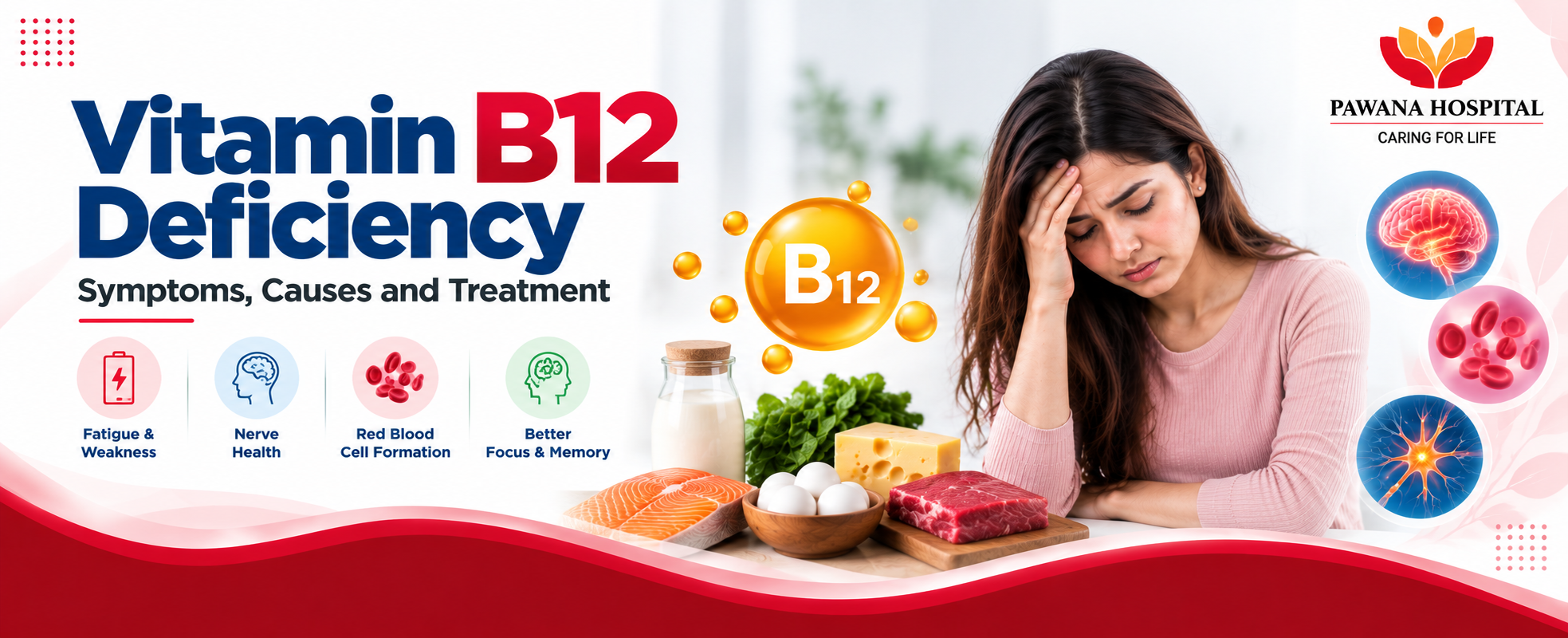
Vitamin B12 is an essential nutrient involved in red blood cell production, DNA synthesis, and normal nervous system function. When B12 levels become too low, people may experience fatigue, weakness, anemia, numbness, or neurological symptoms. Early diagnosis is important because prolonged deficiency can sometimes cause serious complications.
What Is Vitamin B12 and Why Does Your Body Need It?
Vitamin B12 helps the body produce healthy red blood cells and supports normal brain and nerve function. It is also involved in DNA synthesis and several important cellular processes. Because the body cannot produce vitamin B12 on its own, it must be obtained through food or supplements.
What Is Vitamin B12 Deficiency?
Vitamin B12 deficiency develops when the body does not receive enough vitamin B12 or cannot absorb it effectively. Deficiency can develop gradually because the body can store B12 for a considerable period. Symptoms may therefore appear only after levels have been low for some time.
Normal Vitamin B12 Levels: What Do Your Test Results Mean?
Vitamin B12 is usually measured through a blood test. Reference ranges can vary between laboratories, so results should be interpreted using the range provided with the test and in the context of symptoms.
Borderline results may sometimes require additional investigations before a diagnosis is confirmed.
Common Symptoms of Vitamin B12 Deficiency
Possible symptoms include fatigue, weakness, pale skin, reduced appetite, shortness of breath, dizziness, or difficulty concentrating.
Because these symptoms can occur with many other conditions, a blood test and medical assessment are important for identifying the actual cause.
Neurological Symptoms You Shouldn’t Ignore
Vitamin B12 plays an important role in maintaining healthy nerves.
Deficiency may cause numbness or tingling in the hands and feet, balance problems, muscle weakness, memory difficulties, or other neurological symptoms.
Persistent neurological symptoms should be evaluated promptly because prolonged deficiency may sometimes cause lasting nerve problems.
What Causes Vitamin B12 Deficiency?
Deficiency can result from inadequate dietary intake or difficulty absorbing B12 from food. Digestive disorders, certain stomach or intestinal surgeries, autoimmune conditions such as pernicious anemia, and some medications can interfere with absorption.
Identifying the cause is important because it influences how the deficiency should be treated.
Who Is at Higher Risk of Vitamin B12 Deficiency?
Older adults, strict vegetarians or vegans, people with gastrointestinal conditions, and individuals who have undergone certain digestive-system surgeries may have a higher risk.
People taking some medicines over long periods may also require assessment depending on their individual circumstances.
Can a Vegetarian or Vegan Diet Cause B12 Deficiency?
Vitamin B12 naturally occurs mainly in animal-derived foods. Therefore, people following strict vegetarian or vegan diets may be at increased risk if they do not consume adequate fortified foods or supplements.
A doctor or qualified dietitian can help determine whether supplementation is appropriate.
How Is Vitamin B12 Deficiency Diagnosed?
Diagnosis usually begins with symptoms, medical history, diet, and blood tests. Doctors may check vitamin B12 levels and a complete blood count.
Additional tests may be recommended when results are unclear or when the doctor needs to determine the underlying cause.
Vitamin B12-Rich Foods to Include in Your Diet
Sources of vitamin B12 include eggs, milk and dairy products, fish, poultry, meat, and fortified foods.
Dietary changes can help when inadequate intake is responsible for deficiency, but food alone may not correct deficiency caused by poor absorption.
Vitamin B12 Tablets vs Injections: When Are They Needed?
Vitamin B12 can be given through oral supplements or injections. The appropriate option depends on the severity of deficiency, symptoms, underlying cause, and the patient’s ability to absorb
B12. A doctor should determine the dose, treatment method, and duration.
What Happens If Vitamin B12 Deficiency Is Left Untreated?
Untreated deficiency can lead to anemia and neurological problems. In some cases, prolonged nerve damage may not completely reverse even after B12 levels are corrected.
Early diagnosis and treatment can reduce the risk of these complications.
How Long Does Vitamin B12 Recovery Take?
Recovery varies depending on the severity and cause of deficiency. Some symptoms may begin improving after treatment starts, while neurological symptoms may take considerably longer.
Follow-up blood tests may be required to check whether treatment is working.
When Should You See a Doctor?
Consult a doctor if you experience persistent fatigue, unexplained weakness, numbness, tingling, balance problems, or symptoms suggestive of anemia.
Medical evaluation is particularly important when symptoms persist despite dietary changes.
Vitamin Deficiency Care at Pawana Hospital
Pawana Hospital provides medical evaluation for symptoms that may be associated with nutritional deficiencies and anemia. Appropriate blood tests and clinical assessment can help identify vitamin B12 deficiency and possible underlying causes.
Treatment can then be planned according to the patient’s nutritional needs, symptoms, and medical condition.
Vitamin B12 Deficiency in Healthy Adults and the Elderly
In healthy adults, vitamin B12 deficiency is not common, mainly because body stores of the vitamin are substantial and turnover is slow, with relatively low dietary requirements.
However, B12 deficiency in the elderly is a significant concern, and is related to dementia.
Common Causes and High-Risk Groups for Vitamin B12 Deficiency
The most common cause in developed countries is impaired absorption due to loss of gastric intrinsic factor (IF), required for absorption.
A related cause is reduced stomach acid production with age or from long-term use of antacids,Elderly people – due to impaired intestinal absorption – and children, premenopausal women, and pregnant women whose diets are low in animal foods are all at increased risk
FAQs
Can low B12 cause constant tiredness?
Yes. Fatigue and weakness can occur with B12 deficiency, although many other conditions can cause similar symptoms.
Can B12 deficiency cause numbness?
Yes. B12 deficiency can affect nerve function and may cause tingling or numbness.
Do vegetarians need B12 supplements?
Some vegetarians may need fortified foods or supplementation depending on their dietary intake and blood levels.
Are B12 injections better than tablets?
Not necessarily. The appropriate treatment depends on the cause and severity of deficiency.
Can B12 deficiency return after treatment?
Yes, particularly if the underlying cause continues. Some patients may require ongoing supplementation.
Conclusion
Vitamin B12 deficiency can affect blood formation, energy levels, and nervous system function. Because its symptoms can resemble other medical conditions, diagnosis should be based on appropriate medical assessment and blood tests.
Timely treatment and correction of the underlying cause can improve symptoms and help prevent longterm complications.