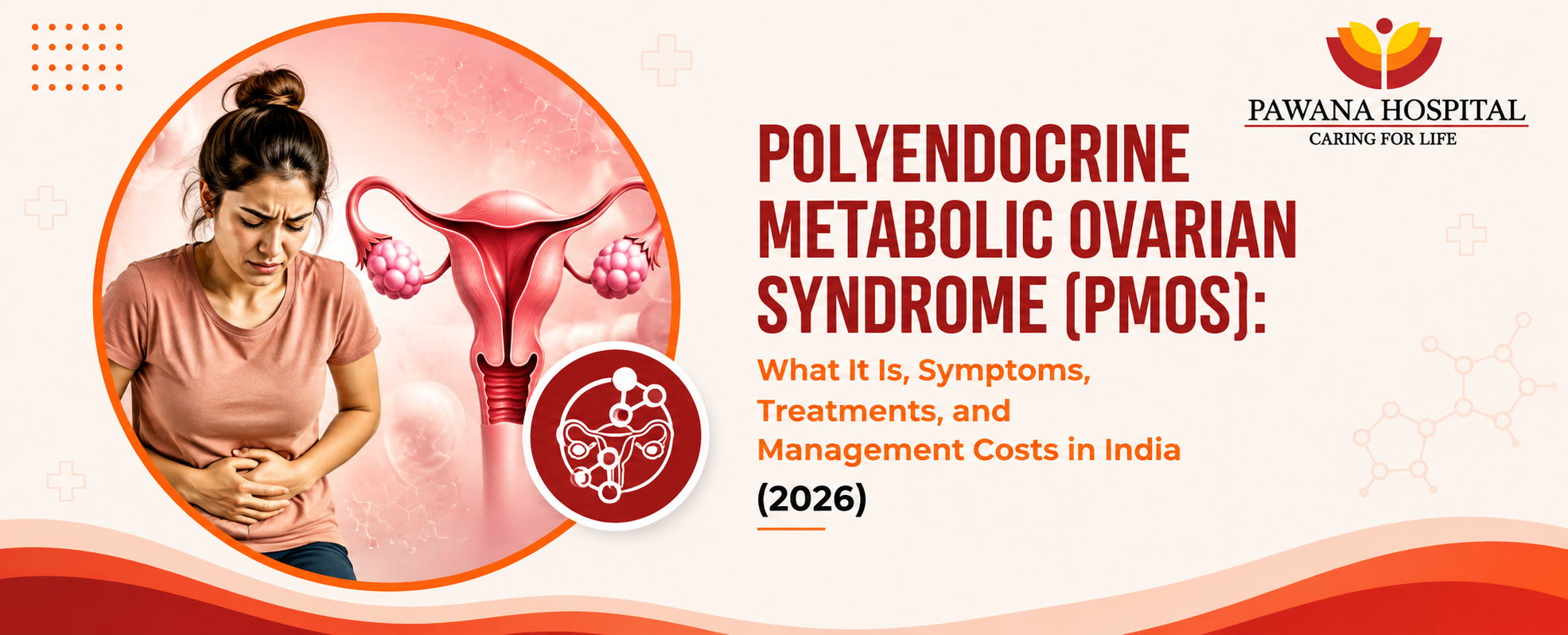
Polyendocrine Metabolic Ovarian Syndrome (PMOS): What It Is, Symptoms, Treatments, and Management Costs in India (2026)
Table of Contents
ToggleBy Pawana Hospital Team | Gynecology & Endocrinology | July 2026 | 9 min read
Sometimes it is irregular cycles. But often, it is a complex endocrine and metabolic shift that modern medicine can help you manage effectively. This guide covers Polyendocrine Metabolic Ovarian Syndrome (PMOS) — formerly known as PCOS (Polycystic Ovary Syndrome). We break down what the condition actually is, why the medical name shifted, key symptoms, diagnostic tests, lifestyle and medical treatment options, and expected management costs in India in 2026. No jargon, no scare tactics — just clear, actionable information for your next doctor’s visit.
Understanding PMOS: Why the Name Changed from PCOS
For decades, the condition was called Polycystic Ovary Syndrome (PCOS). However, global medical guidelines updated the term to Polyendocrine Metabolic Ovarian Syndrome (PMOS) to accurately reflect the true nature of the condition:
● It isn’t just about “cysts”: The fluid-filled sacs on the ovaries are actually undeveloped follicles, not harmful cysts. Many women with the condition never develop ovarian follicles at all.
● It is a multi-system endocrine & metabolic issue: The condition primarily involves insulin resistance, androgen (male hormone) elevation, and metabolic disruptions across the body — not just reproductive organs.
Renaming it to PMOS ensures patients receive holistic care targeting hormones, insulin levels, and cardiovascular health rather than focusing solely on fertility or ovarian scans.
What Is Polyendocrine Metabolic Ovarian Syndrome?
PMOS is a complex hormonal and metabolic disorder affecting approximately 1 in 8 women and individuals with ovaries worldwide.
The Underpinning Drivers:
1. Insulin Resistance : The body’s cells don’t respond efficiently to insulin, causing elevated blood sugar and prompting the pancreas to produce more insulin.
2. Elevated Androgens: High insulin levels trigger the ovaries to produce excess male hormones (like testosterone), inhibiting regular egg release (ovulation).
3. Hormonal Disruption : Disrupted communication between the pituitary gland and ovaries causes erratic menstrual cycles.
Signs and Symptoms You Shouldn’t Ignore
Symptoms vary from person to person and can range from mild to severe:
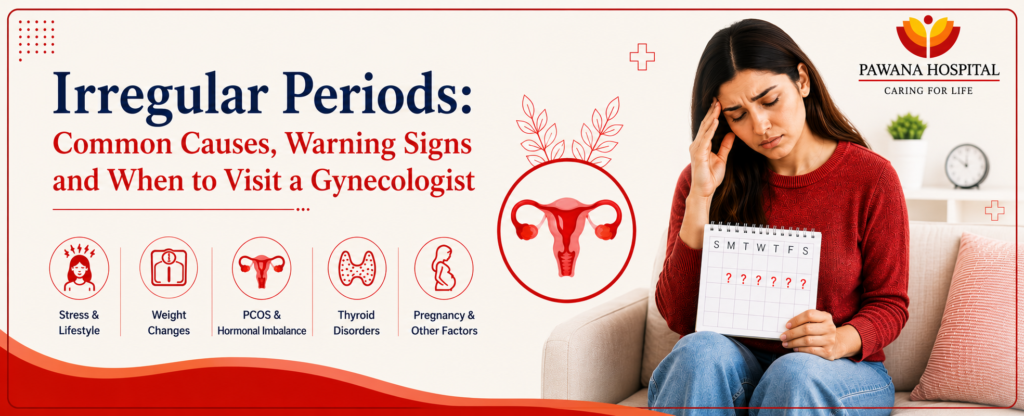
● Irregular or Missed Periods: Long gaps (>35 days) between periods, very light bleeding, or erratic, heavy bleeding.
● Excess Facial/Body Hair (Hirsutism): Coarse hair growth on the chin, upper lip, chest, stomach, or back.
● Adult Acne or Oily Skin: Persistent breakouts along the jawline, neck, and chest.
● Weight Gain & Difficulty Losing Weight: Unexplained weight gain, particularly around the abdomen.
● Scalp Hair Thinning: Male-pattern hair loss or overall thinning.
● Acanthosis Nigricans: Darkened, velvety skin patches in neck folds, armpits, or groin area (a key marker of insulin resistance).
● Fertility Challenges: Difficulty conceiving due to irregular or absent ovulation.
PMOS Management: Lifestyle Modifications vs Medical Therapies
Managing PMOS is not “one-size-fits-all”. Treatment depends on your personal goals — whether that is cycle regularity, weight management, symptom control, or achieving pregnancy.
1. Lifestyle & Dietary Foundation
● Low Glycemic Index (GI) Diet: Emphasizing whole grains, lean proteins, vegetables, and healthy fats to stabilize blood sugar spikes.
● Regular Resistance & Aerobic Exercise: Physical activity improves tissue insulin sensitivity even without weight change.
● Stress & Sleep Hygiene: Cortisol from chronic stress can further disrupt reproductive hormones.
2. Targeted Medical Interventions
When lifestyle changes need additional support, evidence-based medical treatments are prescribed:
● Metformin: Improves insulin sensitivity, reduces fasting blood sugar, and supports weight management.
● Combined Oral Contraceptive Pills (COCPs): Regulates menstrual bleeding and lowers circulating androgen levels.
● Anti-Androgens (e.g., Spironolactone): Reduces excessive facial hair growth and hormonal acne.
● Ovulation Induction (e.g., Letrozole / Clomifene): Stimulates egg release for women trying to conceive.
● Laparoscopic Ovarian Drilling (LOD): A minimally invasive surgical option reserved for specific fertility cases unresponsive to medication.
Who Needs Which Treatment? (Checklist)
| Your Primary Health Goal | Recommended First-Line Approach |
| Cycle Regularity & Acne Control | Combined Oral Contraceptives + Dietary Adjustments |
| Insulin Resistance & Weight Management | Metformin / Myo-Inositol + Exercise Protocol |
| Fertility & Conception | Ovulation Induction (Letrozole/Clomifene) + Follicular Monitoring |
| Severe Hirsutism / Hair Loss | Anti-Androgens + Topical/Laser Therapies |
PMOS vs PCOS: Side-by-Side Breakdown
| Factor | PCOS (Old Framing) | PMOS (Updated Framework) |
| Primary Focus | Ovarian cysts and fertility | Systemic endocrine & metabolic health |
| Diagnostic Criteria | Over-relied on pelvic ultrasound scans | Evaluates insulin, androgen levels & clinical symptoms |
| Core Understanding | Viewed as an isolated gynaecological issue | Recognized as a multi-organ metabolic condition |
| Treatment Scope | Mainly birth control or fertility drugs | Combined metabolic, dietary, hormonal & mental health care |
PMOS Diagnosis & Treatment Cost in India (2026)
Costs vary depending on whether you require initial diagnostic panels, ongoing medical management, or fertility interventions.
Diagnostic Costs (Approximate)
- Hormonal & Metabolic Blood Panel (Fasting Insulin, AMH, Testosterone, HbA1c, Lipid Profile): ₹2,500 – ₹6,000
- Pelvic Ultrasound (TVS / Abdominal):₹1,200 – ₹2,500
Monthly Treatment & Management Costs :
- Lifestyle & Nutritional Consultation: ₹800 – ₹2,500 per session
- Hormonal / Metformin / Supplement Therapies: ₹500 – ₹2,000 per month
- Laser Hair Reduction (Per Session, if needed):₹2,000 – ₹6,000 per session
- Fertility Induction / LOD Procedure (if required): ₹15,000 – ₹50,000
Insurance Note: Routine outpatient consultations and medications for PMOS are generally out-of-pocket expenses, but associated surgical procedures (like Laparoscopic Ovarian Drilling) or inpatient management may be covered under health insurance policies.
Recovery & Long-Term Health Expectations
PMOS is a chronic condition, meaning management is an ongoing journey rather than a one-time cure. However, with proper management, symptoms can be kept in complete remission.
- First 3 Months:Improvements in energy levels, blood sugar stability, and reduced craving spikes.
- 3 to 6 Months: Stabilization of menstrual cycles and reduction in new acne breakouts.
- 6 to 12 Months:Visible reduction in excess hair density and improved metabolic health markers.
.
FAQs
Q: Is PMOS a new disease or just a new name?It is the official updated medical name for PCOS. The underlying condition is the same, but the new name accurately highlights its metabolic and hormonal roots.
Q: Can PMOS be completely cured? There is no single “cure,” but PMOS can be managed effectively. Many women become completely symptom-free through tailored medical and lifestyle management.
Q: Do I need an ultrasound to be diagnosed with PMOS? Not necessarily. PMOS is typically diagnosed if you meet at least two of the three key criteria: irregular cycles, clinical/biochemical signs of high androgen levels, or polycystic ovaries on an ultrasound.
Q: Can I get pregnant if I have PMOS? Yes. PMOS is a leading cause of ovulatory infertility, but with lifestyle changes, ovulation medications, or assisted reproductive technology, most women with PMOS conceive successfully.
Conclusion
Understanding PMOS is the first step toward taking control of your hormonal and metabolic health. Irregular periods, fatigue, weight changes, or skin concerns are not things you simply have to endure.
The Gynecology and Endocrinology departments at Pawana Hospital offer comprehensive care for PMOS, including advanced hormonal diagnostic testing, personalized dietary planning, and expert medical management.
To schedule a consultation, visit our clinic or walk into our Talegaon or Somatne Phata centers.
This article is for general informational purposes only and does not constitute medical advice. Please consult a qualified endocrinologist or gynecologist for evaluation and recommendations tailored to your health needs.