Angioplasty Cost in India 2026: Factors & Complete Price Breakdown
Table of Contents
ToggleHeart disease is no longer a condition that only affects the elderly. Today, it is one of the leading causes of death in India and the numbers are deeply concerning. According to the Indian Council of Medical Research (ICMR), cardiovascular diseases account for nearly 28% of all deaths in India, with a growing number of cases being reported in people under 45.
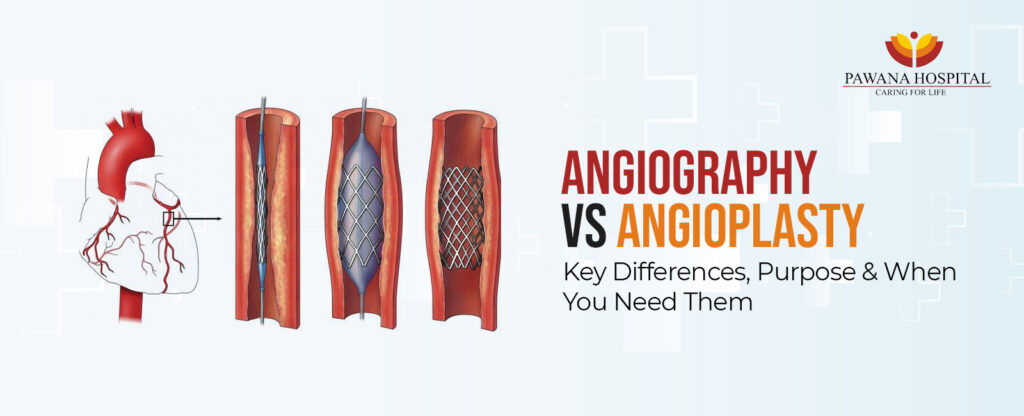
When arteries supplying blood to the heart become narrowed or blocked due to plaque buildup, the risk of a heart attack rises sharply. Angioplasty, clinically known as Percutaneous Coronary Intervention (PCI), is one of the most effective, minimally invasive procedures to restore normal blood flow. A thin, flexible tube called a catheter is guided to the blocked artery, where a small balloon is inflated to widen it. In most cases, a stent (a tiny mesh tube) is placed to keep the artery open. You can learn more about how angioplasty differs from angiography here.
It is not open-heart surgery. There are no large incisions, no general anaesthesia in most cases, and recovery is significantly faster, often within a few days.
Angioplasty is today one of the most commonly performed cardiac procedures in India, with hundreds of thousands of patients undergoing it every year. Yet, for most patients and their families, the first question after diagnosis is not “what is the procedure?” It is “how much will it cost?”
That concern is completely valid. The angioplasty cost in India can vary widely depending on the type of stent used, the hospital you choose, the city you are in, and several other factors. Without clear information, families often feel overwhelmed at a time when they should be focused entirely on recovery.
This guide gives you a complete, transparent breakdown of angioplasty surgery cost in India in 2026, including stent costs, hospital charges, city-wise pricing, health insurance coverage, and those often-overlooked hidden costs, so you can plan with confidence and make informed decisions.
What Is Angioplasty?
Angioplasty is a minimally invasive cardiac procedure used to open narrowed or blocked coronary arteries and restore adequate blood flow to the heart muscle. It is not open-heart surgery and does not require large incisions or a prolonged hospital stay, which makes it one of the most preferred interventions for coronary artery disease in India today.
Doctors typically recommend angioplasty when a patient experiences persistent chest pain (angina), shows signs of a heart attack, or when diagnostic tests such as an angiography reveal significant arterial blockages. You can read more about how angiography and angioplasty are related but different procedures to understand what your cardiologist may recommend and why.
Here is how the procedure works:
- A thin, flexible tube called a catheter is inserted through a small incision, usually in the wrist or groin
- The catheter is guided to the blocked coronary artery using real-time X-ray imaging
- A tiny balloon at the tip of the catheter is inflated to push the plaque against the artery walls and widen the passage
- In most cases, a stent (a small, mesh-like metal tube) is then placed to keep the artery open and prevent it from narrowing again
- The balloon is deflated and the catheter is removed
According to the National Library of Medicine, the procedure typically takes 1 to 2 hours to complete. Most patients are discharged within 1 to 2 days and can return to light daily activities within a week, making it far less disruptive than traditional bypass surgery.
Average Angioplasty Cost in India in 2026
One of the most common questions patients and families ask is: how much does angioplasty cost in India? The honest answer is that there is no single fixed price. The total angioplasty cost in India in 2026 typically ranges between ₹1.5 lakh and ₹4.5 lakh, and in emergency situations involving ICU care, it can go higher.
Several factors influence where your final bill lands within this range, including the type of stent used, whether one or multiple arteries are blocked, the type of hospital you choose, and the city you are in. We cover each of these factors in detail in the next section.
Here is a general overview of angioplasty price ranges in India in 2026 based on procedure type:
|
Procedure Type |
Approx. Cost Range (2026) |
|
Balloon Angioplasty (no stent) |
₹75,000 – ₹1,20,000 |
|
Single Stent (Bare Metal Stent) |
₹1,20,000 – ₹2,00,000 |
|
Single Stent (Drug-Eluting Stent) |
₹1,75,000 – ₹3,00,000 |
|
Multi-stent / Complex Blockage |
₹2,50,000 – ₹4,50,000 |
|
Emergency Angioplasty (with ICU) |
₹3,00,000 – ₹5,00,000+ |
The angioplasty stent cost in India is often the single largest component of the total bill. A bare metal stent (BMS) is the more affordable option, while a drug-eluting stent (DES) costs more but significantly reduces the risk of the artery narrowing again. Your cardiologist will recommend the most appropriate type based on your specific condition.
Please note: The figures above are indicative estimates based on current market data. Your actual angioplasty surgery cost will depend on your individual cardiac condition, the number of blockages, the stent type recommended, and the hospital and city you choose. Always request a detailed cost estimate from your hospital before the procedure.
Key Factors That Affect Angioplasty Cost in India
The angioplasty cost in India is never a flat figure. It is the sum of several moving parts, each of which can significantly shift your final bill upward or downward. Understanding these factors helps you plan better and ask the right questions before the procedure.
Number of Blocked Arteries
The more arteries that are blocked, the more complex the procedure becomes. A single-vessel angioplasty is considerably more affordable than a two-vessel or three-vessel procedure. Each additional artery that needs intervention adds to the procedure time, the consumables used, and the overall hospital charges.
Number of Stents Required
Each stent placed during the procedure adds to the total angioplasty stent cost in India. Some patients require only one stent, while others with multiple or longer blockages may need two or more. The number of stents is determined entirely by the findings during the procedure and cannot always be predicted in advance.
Type of Stent Used
This is often the single biggest variable in your total bill. There are two primary types:
- Bare Metal Stents (BMS): More affordable, with a cardiac stent price in India typically ranging between ₹7,000 and ₹15,000 per stent. However, they carry a higher risk of restenosis (re-narrowing of the artery).
- Drug-Eluting Stents (DES): Coated with medication that prevents restenosis. The heart stent cost in India for DES ranges between ₹25,000 and ₹45,000 per stent. Most cardiologists today recommend DES for better long-term outcomes.
Your cardiologist will recommend the appropriate stent type based on the nature and location of the blockage.
Hospital Infrastructure
The type of facility you choose plays a major role in determining your angioplasty surgery cost. A government or public hospital will charge significantly less than a private multi-speciality hospital. Within private hospitals, a well-equipped cardiac centre with advanced catheterisation lab (cath lab) technology, experienced support staff, and dedicated cardiac ICU facilities will naturally reflect higher charges. However, this investment in infrastructure directly impacts the quality and safety of your procedure.
Experience of Cardiologist
An interventional cardiologist with decades of experience and a strong track record in complex cardiac cases may charge a higher consultation and procedural fee. This is a factor worth considering carefully, especially for multi-vessel blockages or high-risk patients. The expertise of your cardiologist directly influences procedural success and recovery outcomes.
Emergency vs Planned Procedure
A planned (elective) angioplasty allows time for cost comparison, insurance pre-authorisation, and financial preparation. An emergency angioplasty, typically performed during or immediately after a heart attack, involves urgent ICU admission, intensive monitoring, and immediate resource mobilisation. This can push the total cost to ₹3,00,000 and above, sometimes significantly higher depending on complications.
City and Location
The city you are in has a considerable bearing on your total angioplasty price. Metros like Mumbai, Delhi, and Bangalore generally have higher hospital charges compared to Tier 2 cities like Pune, Nagpur, or Jaipur. However, many Tier 2 cities now have world-class cardiac facilities at more accessible price points, making them an increasingly attractive option for patients.
Patient’s Overall Health Condition
A patient’s pre-existing health conditions can add layers of complexity and cost to the procedure. Diabetic patients, for instance, often require additional blood sugar monitoring before, during, and after the procedure, as well as a carefully managed recovery protocol. Patients with kidney disease may need special contrast agents to protect renal function. Complex cases involving multiple comorbidities may require a longer ICU stay, additional specialist consultations, and extended medication, all of which add to the final bill.
Angioplasty Cost in Major Indian Cities
The city where you undergo the procedure can make a meaningful difference to your total angioplasty cost in India. Factors such as real estate costs, hospital infrastructure, labour costs, and local demand all influence what hospitals charge in different parts of the country.
The table below gives you a city-wise estimate of angioplasty surgery cost in India in 2026:
|
City |
Average Angioplasty Cost (2026) |
|
Mumbai |
₹2,00,000 – ₹5,00,000 |
|
Delhi |
₹1,80,000 – ₹4,50,000 |
|
Pune |
₹1,50,000 – ₹4,00,000 |
|
Bangalore |
₹2,00,000 – ₹5,00,000 |
|
Hyderabad |
₹1,70,000 – ₹4,00,000 |
Metro cities like Mumbai and Bangalore tend to sit at the higher end of the pricing spectrum due to elevated hospital operating costs and higher demand for super-speciality cardiac care. Cities like Pune and Hyderabad offer a compelling balance between quality cardiac care and more accessible angioplasty pricing.
Pune, in particular, has seen significant growth in advanced cardiac infrastructure over the past decade. Patients from surrounding districts and smaller towns increasingly choose Pune for procedures like angioplasty because it offers metropolitan-grade facilities without the full cost burden of cities like Mumbai or Delhi.
Please note: These are estimated average ranges and actual costs will vary based on the hospital, the cardiologist, the type of stent used, and the complexity of the individual case.
Does Health Insurance Cover Angioplasty?
The good news is that most health insurance policies in India do cover angioplasty, as it is classified as a medically necessary cardiac procedure. However, the extent of coverage, the conditions attached, and the out-of-pocket expenses you may still incur depend heavily on your specific policy. Understanding your coverage before a procedure, rather than after, can save your family from significant financial stress.
Here are the key insurance concepts every patient should understand:
Cashless Hospitalisation
If your hospital is part of your insurer’s network, you can avail cashless hospitalisation, meaning the insurer settles the bill directly with the hospital. You do not need to pay upfront and claim reimbursement later. Always confirm whether your chosen hospital is a network hospital before admission.
Waiting Periods
Most health insurance policies include a waiting period of 2 to 4 years for pre-existing conditions such as heart disease or hypertension. If your policy is relatively new and your condition was known before you purchased it, your claim may be partially or fully rejected. Always read this clause carefully.
Pre-Existing Disease Clauses
Coronary artery disease, hypertension, and diabetes, which are among the most common reasons patients need angioplasty, are often classified as pre-existing conditions. Coverage for these conditions typically kicks in only after the waiting period has been completed.
Network Hospitals
Cashless claims are only processed at hospitals empanelled with your insurance provider. Treatment at a non-network hospital means you pay out of pocket first and then apply for reimbursement, which can take weeks and may not be fully approved.
Co-payments
Some policies, particularly those designed for senior citizens or low-premium plans, require the patient to bear a fixed percentage of the total bill, known as a co-payment. This can range from 10% to 30% of the total angioplasty cost even after the claim is approved.
What Insurance Usually Covers
- Procedure charges (catheterisation, balloon inflation, stent placement)
- Angioplasty stent cost in India (subject to capping limits set by the insurer)
- Surgeon and cardiologist fees
- Anaesthesia charges
- ICU and room charges (subject to room rent limits in the policy)
- Pre and post-hospitalisation expenses (typically 30 to 60 days)
- Diagnostic tests including ECG, echocardiography, and blood work
Expenses That May Not Be Covered
- Premium stents above the insurer’s capped price (you pay the difference)
- Consumables and disposables (in some policies)
- Charges exceeding room rent sub-limits
- Non-network hospital mark-ups
- Companion stay and food charges
- Certain follow-up medications post-discharge
Government Health Schemes in India
For patients who do not have private health insurance, the Indian government offers significant financial support through public health schemes.
Ayushman Bharat Pradhan Mantri Jan Arogya Yojana (PM-JAY)
This is one of the world’s largest government-funded health insurance schemes, covering eligible families for hospitalisation expenses up to ₹5 lakh per year. Angioplasty is included as a covered procedure under PM-JAY, making it accessible to economically weaker sections without catastrophic out-of-pocket expenditure.
State Health Schemes
Several Indian states run their own health protection schemes that complement or extend PM-JAY coverage. Examples include Maharashtra’s Mahatma Jyotiba Phule Jan Arogya Yojana, which covers cardiac procedures for eligible beneficiaries. Patients are advised to check with their respective state health departments or the empanelled hospital to understand what is covered under their state scheme.
Tip: Always carry your policy documents, pre-authorisation approval, and ABHA card (if applicable) at the time of admission. Delays in documentation can complicate cashless processing even at network hospitals.
Is Angioplasty Worth the Cost?
For patients with significant coronary artery blockages, angioplasty is not an elective luxury. It is a life-saving intervention. When weighed against the consequences of untreated arterial blockages, including a major heart attack, permanent heart muscle damage, or death, the angioplasty cost in India represents extraordinary value for money.
Here is why most cardiologists and patients consider angioplasty well worth the investment:
It Can Be Immediately Life-Saving
In the event of a heart attack, every minute of delayed blood flow causes irreversible damage to the heart muscle. Emergency angioplasty, when performed within the critical window, can restore blood flow rapidly and prevent long-term cardiac damage. According to the National Library of Medicine, timely PCI significantly improves survival outcomes in patients with acute myocardial infarction.
It Dramatically Reduces Heart Attack Risk
For patients with chronic angina or diagnosed blockages, a planned angioplasty significantly lowers the risk of a future heart attack. Opening a blocked artery restores adequate oxygen supply to the heart, reducing the strain that causes dangerous cardiac events.
Recovery Is Significantly Faster Than Open-Heart Surgery
Unlike coronary artery bypass grafting (CABG), which involves opening the chest and weeks of recovery, angioplasty patients are typically discharged within 1 to 2 days. Most patients return to light activities within a week and resume normal life within 2 to 4 weeks. This also means fewer days away from work and a significantly lower overall cost of recovery. For a deeper look at your surgical options, visit our Cardiothoracic Surgery page.
It Delivers a Measurably Better Quality of Life
Patients who undergo successful angioplasty consistently report a dramatic reduction in chest pain and breathlessness, improved exercise tolerance, and a better overall sense of wellbeing. For many, it means returning to an active, independent life they had been forced to give up due to worsening symptoms.
The Cost of Not Acting Is Higher
Delaying or avoiding angioplasty due to cost concerns can lead to a full cardiac event, which typically results in emergency hospitalisation, ICU admission, longer recovery, and significantly higher medical bills. Addressing a known blockage in a planned, controlled setting is almost always more cost-effective than managing the consequences of a heart attack.
The decision to undergo angioplasty should always be made in consultation with a qualified cardiologist based on your diagnostic reports and clinical condition. Explore our Cardiology services at Pawana Hospital to speak with an expert.
Why Choose Pawana Hospital for Angioplasty?
Choosing the right hospital for angioplasty is as important as the decision to undergo the procedure itself. At Pawana Hospital, Pune, patients receive world-class cardiac care in a setting that prioritises both clinical excellence and compassionate support, without the overwhelming costs typically associated with metro city hospitals.
Experienced Interventional Cardiology Team
Pawana Hospital is backed by a team of highly experienced interventional cardiologists with a strong track record in performing complex cardiac procedures. Our specialists bring precision, expertise, and patient-centred care to every procedure. You can learn more about our lead cardiologist Dr. Pratik Wadhokar and his clinical experience.
State-of-the-Art Cardiac Catheterisation Lab
Our advanced cath lab is equipped with modern imaging and interventional technology, enabling accurate diagnosis and precise stent placement. A well-equipped cath lab is critical to the safety and success of any angioplasty procedure, and ours meets the highest standards of cardiac care.
Transparent Pricing and Pre-Procedure Cost Estimates
We understand that financial clarity matters deeply to patients and their families. At Pawana Hospital, we provide detailed, transparent cost estimates before the procedure so there are no surprises on your final bill. Our team is always available to walk you through the breakdown of your angioplasty surgery cost and help you plan accordingly.
Tie-Ups with Major Health Insurance Providers
Pawana Hospital has established cashless tie-ups with leading health insurance providers across India. This means eligible patients can avail of the cashless hospitalisation facility without the stress of upfront payments or delayed reimbursements.
Ayushman Bharat / PM-JAY Empanelment
We are committed to making quality cardiac care accessible to all. Pawana Hospital accepts patients covered under the Ayushman Bharat Pradhan Mantri Jan Arogya Yojana (PM-JAY), ensuring that financial constraints do not stand between a patient and a life-saving procedure.
Conveniently Located in Pune
Pune sits at the heart of Maharashtra, making Pawana Hospital easily accessible for patients travelling from Nashik, Satara, Solapur, Kolhapur, Ahmednagar, and other districts across the state. Patients benefit from metropolitan-grade cardiac care at a significantly more accessible angioplasty price compared to Mumbai or other major metros.
FAQs
Does angioplasty cost more than bypass surgery in India?
No. The angioplasty cost in India ranges between ₹1.5 lakh and ₹4.5 lakh, while bypass surgery (CABG) typically costs ₹2.5 lakh to ₹6 lakh or more. Bypass surgery also involves a longer hospital stay and recovery, making it costlier overall.
Which type of stent is best for angioplasty?
Drug-eluting stents (DES) are generally preferred. Although the heart stent cost in India is higher for DES (₹25,000 to ₹45,000) compared to bare metal stents (₹7,000 to ₹15,000), they significantly reduce the risk of the artery narrowing again. Your cardiologist will recommend the right type for your condition.
What is the government-regulated price cap on heart stents in India?
The National Pharmaceutical Pricing Authority (NPPA) has capped the cardiac stent price in India for drug-eluting stents at approximately ₹27,890 per stent. Total procedure costs will still vary due to hospital charges and professional fees.
Can I get angioplasty done under health insurance in India?
Yes. Most policies cover angioplasty including procedure charges, angioplasty stent cost in India, surgeon fees, and hospitalisation. Waiting periods, co-payments, and pre-existing disease clauses may apply. Always confirm coverage with your insurer before admission.
What is the difference between angiography and angioplasty cost?
Angiography is a diagnostic procedure costing roughly ₹15,000 to ₹40,000. Angioplasty is the treatment that follows if a blockage is found, costing ₹1.5 lakh to ₹4.5 lakh. One identifies the problem; the other fixes it. Learn more about angiography vs angioplasty here.
What are the long-term expenses after angioplasty?
Patients should plan for ongoing costs including:
- Medications such as blood thinners for 6 to 12 months post-procedure
- Regular cardiology follow-ups every 3 to 6 months
- Periodic diagnostic tests including ECGs and echocardiograms
- Cardiac rehabilitation and lifestyle management programmes
Factoring these into your total angioplasty price ensures uninterrupted long-term care.
Conclusion
Angioplasty costs in 2026 depend on several factors, including the stent type, number of blockages, hospital setup, city, and the patient’s overall condition. Even so, government regulation on stent pricing and the wider availability of medical insurance have made this life saving treatment more accessible for Indian families today.
The real question is not only about price, but about value. At Pawana Hospital, we focus on both advanced interventional cardiology and transparent, honest pricing, so patients receive the right treatment without unnecessary financial stress.