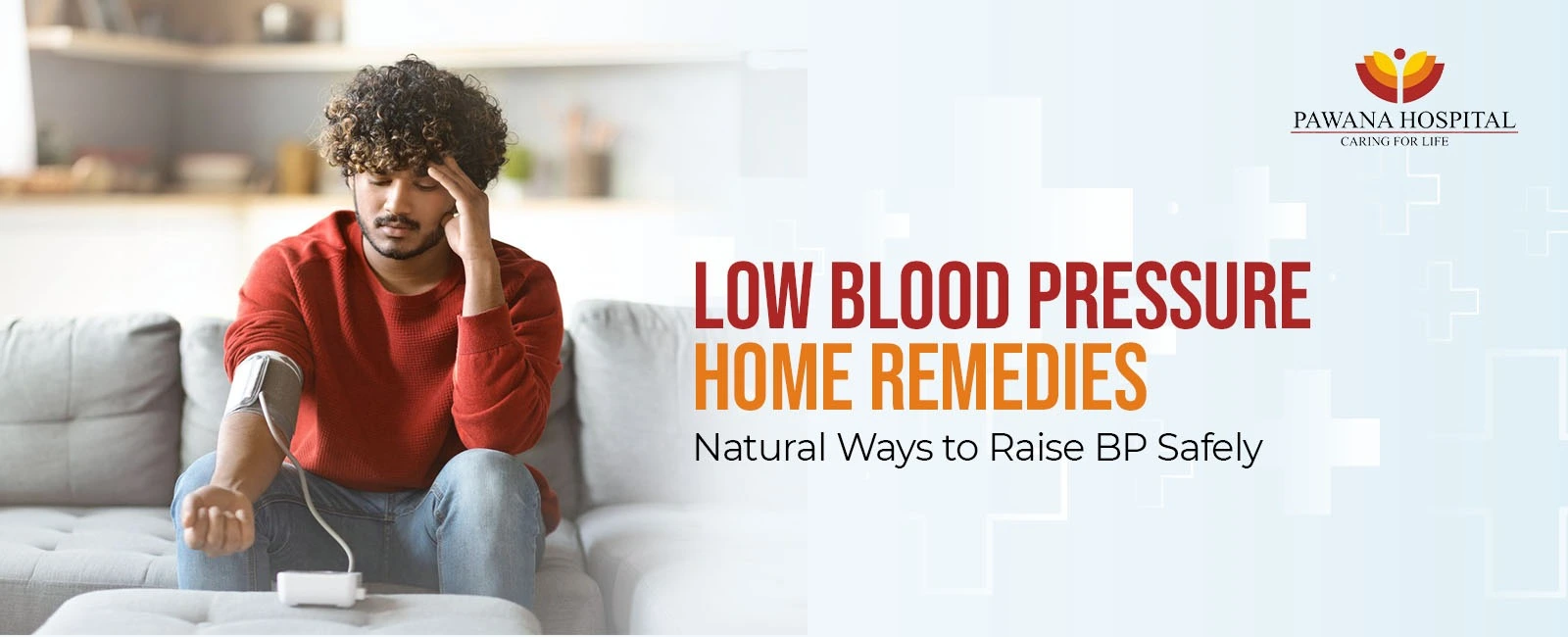
Low Blood Pressure Home Remedies: Natural Ways to Raise BP Safely
Table of Contents
ToggleLow blood pressure, or hypotension, is when your blood pressure reads below 90/60 mmHg. For most people, mild cases do not require medication, simple lifestyle adjustments and dietary changes can make a meaningful difference. This article covers both immediate, at-home remedies for when BP drops suddenly, and long-term dietary and lifestyle habits that help keep it stable.
What Are the Symptoms of Low Blood Pressure (Hypotension)?
Low blood pressure does not always announce itself dramatically. Many people feel a sudden wave of dizziness when they stand up too quickly, or a general heaviness and fatigue that they cannot quite explain. Other common signs include light-headedness, blurred vision, nausea, and a tendency to feel faint — particularly after long periods of standing, eating a large meal, or being out in the heat.
Most of these symptoms are manageable at home. But some signs demand immediate medical attention. If you or someone around you experiences chest pain, difficulty breathing, sudden confusion, loss of consciousness, cold or clammy skin, or a rapid and irregular heartbeat, stop any home treatment and get to a hospital without delay. Blue-tinged lips or fingernails are another red flag that should never be ignored.
|
Type of Symptom |
Signs to Watch For |
What to Do |
|
Mild symptoms |
Dizziness, light-headedness, blurred vision, fatigue, nausea |
Manage at home; monitor BP regularly |
|
Emergency signs |
Chest pain, shortness of breath, confusion, loss of consciousness, cold or clammy skin, rapid or irregular heartbeat, blue lips or fingernails |
Stop home remedies; go to hospital immediately |
Low Blood Pressure Home Remedies
Most mild cases of hypotension respond well to simple, consistent changes at home. Here are practical remedies that can help raise BP safely — both in the moment and over time.
1. Stay Well Hydrated
Dehydration is one of the most common and overlooked triggers of low blood pressure. When your body loses more fluid than it takes in, blood volume drops, and with it, your blood pressure. Drinking enough water throughout the day is one of the simplest ways to counteract this.
Water is your first line of defence, but oral rehydration solutions and coconut water work particularly well because they replenish electrolytes alongside fluids. That said, over-hydration can cause its own problems — drinking water in moderate, steady amounts across the day is more effective than gulping large quantities at once.
2. Increase Salt Intake (Only If Advised)
Sodium helps the body retain fluid, which directly increases blood volume and, in turn, blood pressure. For someone with consistently low BP, a modest increase in dietary salt can make a noticeable difference. A simple option is to add a small pinch of salt to a glass of water, or to snack on lightly salted foods like olives.
A word of caution: this remedy is not suitable for everyone. People with heart conditions, kidney disease, or any other condition that requires sodium restriction must consult a doctor before increasing their salt intake.
3. Caffeine for a Quick Boost
A cup of black coffee or strong tea can offer quick, temporary relief when BP dips suddenly. Caffeine stimulates the cardiovascular system, briefly raising heart rate and blood pressure — which is why many people instinctively reach for coffee when they feel dizzy or light-headed.
This works well as an immediate remedy, but it is not a long-term solution. Relying on caffeine throughout the day to manage BP can disrupt sleep and increase dependency without addressing the underlying cause.
4. Eat Smaller, More Frequent Meals
After a large meal, the body redirects a significant volume of blood to the digestive system to aid digestion. For someone prone to low BP, this can cause a noticeable drop in blood pressure elsewhere — a condition known as postprandial hypotension. The result is that familiar post-meal heaviness, dizziness, or sudden fatigue.
Switching from three large meals to five or six smaller ones spread through the day reduces this effect considerably. It keeps digestion steady and prevents the sharp blood flow shifts that trigger symptoms.
5. Tulsi (Holy Basil) Leaves
Tulsi, or holy basil, has a long history in Ayurvedic practice as a natural remedy for blood pressure regulation. It is rich in potassium and magnesium — two minerals that support healthy cardiovascular function and help stabilise blood pressure levels.
Chewing four to five fresh tulsi leaves on an empty stomach each morning is a traditional and accessible way to incorporate this remedy into your daily routine. It is gentle, inexpensive, and easy to sustain over time.
6. Almond Milk Tonic
This is a longer-term remedy rather than a quick fix, but it is worth building into your routine. Soak five to six almonds overnight, peel them in the morning, and blend them with a cup of warm milk. Almonds are a good source of healthy fats, magnesium, and vitamin E — nutrients that support circulatory health and help stabilise blood pressure when consumed regularly.
7. Avoid Sudden Movements
One of the most common triggers for a sudden BP drop is moving too quickly — standing up fast after sitting or lying down for a long time. This is called orthostatic hypotension, and it happens because the body does not have enough time to redirect blood flow upward.
The fix is straightforward: move slowly and deliberately. Before getting out of bed in the morning, sit at the edge for a moment before standing. Give your body a few seconds to adjust. Small habit changes like this can significantly reduce episodes of dizziness throughout the day.
8. Cross Your Legs While Sitting
This is a simple physical manoeuvre that can produce a quick, modest rise in blood pressure. Crossing your legs while seated pushes blood from the lower body back towards the heart and upper circulation, temporarily increasing blood volume in the core. It is particularly useful during long periods of sitting or when you feel a dip coming on.
9. Increase Vitamin B12 and Folate
A deficiency in vitamin B12 or folate can lead to anaemia — a condition where the body does not produce enough healthy red blood cells to carry oxygen efficiently. Anaemia and low blood pressure often go hand in hand, which means addressing the nutritional gap can help with both.
Good dietary sources include eggs, leafy greens such as spinach and fenugreek, and fortified cereals. If dietary changes are insufficient, your doctor may recommend supplements.
10. Wear Compression Stockings
Compression stockings work by applying gentle pressure to the legs, which prevents blood from pooling in the lower limbs and encourages it to circulate back towards the heart. For people who spend long hours on their feet — teachers, market workers, healthcare staff, and hawkers — this can be a particularly practical solution.
They are widely available, easy to use, and carry very few risks. Wearing them consistently during long standing hours can reduce both the frequency and intensity of BP-related symptoms.
Lifestyle Changes to Prevent Low BP Naturally
Managing low blood pressure is not just about what you eat or drink in the moment — it is about building habits that support stable circulation over the long term. These four pillars address the most common lifestyle factors that contribute to hypotension.
Physical Habits
Lower Body Strength Training
Strong leg and core muscles act as a natural circulatory pump. Every time your leg muscles contract, they squeeze blood from the lower limbs back up towards the heart — reducing the pooling that contributes to low BP. Regular physical activity does not need to be intense to be effective. Walking, cycling, and swimming are all excellent options that build this muscular support gradually without putting excessive strain on the cardiovascular system.
For something quicker and more targeted, calf raises are worth incorporating into your daily routine. Simply rising up onto your toes and lowering back down, repeated 10–15 times, stimulates blood flow from the legs almost immediately. You can do them while standing at a kitchen counter, waiting for the kettle, or during a work break.
Body Mechanics
The “Slow Rise” Technique
Orthostatic hypotension — the dizziness that hits when you stand up too quickly — is one of the most common and disruptive symptoms of low BP. The body needs a moment to redirect blood flow upward when you change position, and rushing that transition triggers a sudden drop.
The “1-minute rule” is a simple and effective habit. Before getting out of bed in the morning, sit on the edge for a full 60 seconds. While you sit, move your ankles up and down slowly — this activates the calf muscles and gets blood moving before you put full weight on your legs. Stand only after that minute is up. It sounds almost too simple, but done consistently, it can significantly reduce morning dizziness.
Strategic Sleeping Positions
Sleeping completely flat can make orthostatic symptoms worse upon waking, because the body spends the entire night at a uniform horizontal level and struggles more to adjust when you suddenly introduce gravity. Elevating the head of your bed by roughly 15–20 cm — either with an extra firm pillow or by placing something under the bed frame — gives your body a gentle gradient to work with overnight. Over time, this helps the cardiovascular system adapt to positional changes more smoothly.
Environmental Control
Temperature Management
Heat is a surprisingly powerful trigger for BP drops. Hot showers, steam rooms, and saunas cause blood vessels throughout the body to dilate rapidly, which lowers blood pressure. For someone already prone to hypotension, even a long hot shower can bring on dizziness or light-headedness.
Switching to lukewarm showers is a straightforward adjustment that removes this risk. Similarly, during peak afternoon hours — particularly in a city like Pune where summer temperatures regularly climb — staying in shaded or air-conditioned environments reduces heat-induced vasodilation. If you need to be outdoors, carry water, avoid direct sun exposure between noon and 4 PM, and take breaks in the shade.
Diet Consistency
Keeping blood pressure stable through diet is less about specific superfoods and more about consistency and timing. Skipping meals, eating erratically, or going long stretches without food can all contribute to BP dips. Eating at regular intervals — and ensuring each meal includes a balance of complex carbohydrates, protein, and healthy fats — keeps blood sugar and blood pressure more stable throughout the day.
Pairing this with adequate fluid intake across the day, rather than drinking large amounts all at once, supports steady blood volume. Small, consistent choices made daily add up to a meaningful difference over weeks and months.
When to Stop Home Remedies and See a Doctor
Home remedies work well for mild, recurring hypotension — but they have clear limits. Some symptoms signal that something more serious is happening, and no amount of salt water or tulsi leaves will address it. If you or someone around you experiences any of the following, stop home treatment immediately and go to the nearest hospital:
- Chest pain or pressure — a squeezing, heavy, or tight sensation in the chest that may indicate a heart attack or severe cardiac event
- Shortness of breath or rapid, shallow breathing — difficulty breathing at rest is never a symptom to wait out
- Confusion or disorientation — sudden inability to think clearly, recognise surroundings, or respond normally is a sign of poor blood flow to the brain
- Cold, clammy, or pale skin — particularly when it appears suddenly alongside dizziness or weakness, this can indicate circulatory shock
- Rapid or irregular heartbeat — palpitations that feel unusually strong, fast, or erratic, especially when accompanied by other symptoms
- Blue tint to the lips or fingernails — a sign that the blood is not carrying sufficient oxygen and requires urgent medical attention
Beyond emergencies, it is also worth scheduling a routine consultation if your BP consistently reads below 90/60 mmHg, if symptoms are becoming more frequent, or if home remedies have stopped providing relief. Chronic hypotension sometimes points to an underlying condition — anaemia, thyroid issues, or a cardiac problem — that needs proper diagnosis and treatment. Pawana Hospital’s general medicine and cardiology teams are equipped to assess and address persistent low BP with the right clinical support.
Frequently Asked Questions
What is the fastest way to raise low blood pressure at home?
Drink a glass of water with a small pinch of salt, lie down with your legs elevated above heart level, and have a cup of black coffee or strong tea. These three steps, taken together, can produce a noticeable improvement within 15–30 minutes. If dizziness persists beyond that or worsens, seek medical attention.
What are the most common medical causes of sudden low BP?
Sudden drops in blood pressure are most commonly caused by dehydration, prolonged bed rest, blood loss, severe infection (sepsis), allergic reactions (anaphylaxis), or certain medications such as diuretics, beta-blockers, and antidepressants. Heart conditions, thyroid disorders, and adrenal insufficiency can also cause persistent hypotension. If your BP drops suddenly without an obvious trigger, a doctor should evaluate it.
Are there specific foods to eat for low blood pressure?
Yes. Foods that help raise and stabilise BP include:
- Salty foods — olives, salted nuts, and pickles help the body retain fluid and increase blood volume
- Caffeine-containing foods and drinks — black coffee and strong tea offer a short-term boost
- Vitamin B12-rich foods — eggs, dairy, and fortified cereals address anaemia-related hypotension
- Folate-rich foods — spinach, fenugreek, and other dark leafy greens support healthy red blood cell production
- Almonds and warm milk — a traditional tonic that supports circulatory health over time
- Coconut water — replenishes electrolytes and supports blood volume
Is low blood pressure dangerous during pregnancy?
Mild low blood pressure is common during the first and second trimesters of pregnancy and is usually not a cause for concern. However, severely low BP can reduce blood flow to the placenta, which may affect foetal development. Dizziness, fainting, or consistently low readings during pregnancy should always be discussed with an obstetrician. Home remedies alone are not sufficient — medical monitoring is essential throughout.
How long can low blood pressure symptoms last?
It depends entirely on the cause. Situational dips — triggered by dehydration, skipping a meal, or standing up quickly — typically resolve within a few minutes once addressed. Symptoms linked to an underlying condition, such as anaemia or a thyroid disorder, can persist for weeks or months until the root cause is treated. If your symptoms last longer than 30 minutes despite home remedies, or if they recur daily, consult a doctor rather than continuing to manage them at home.
Managing Low BP: What Home Remedies Can and Cannot Do
Home remedies — hydration, salt, caffeine, compression stockings, dietary changes, and mindful movement — work well for mild, occasional dips in blood pressure. Most people who experience situational hypotension can manage it comfortably at home with the right habits in place. And for many, consistent lifestyle adjustments are enough to keep symptoms from returning.
But these are supportive measures. They address symptoms, not causes. If your BP stays persistently low, if the remedies stop working, or if symptoms are becoming more frequent rather than less, that is a signal worth taking seriously. Persistent hypotension can point to underlying conditions — anaemia, adrenal dysfunction, cardiac issues, or medication side effects — that require proper diagnosis and clinical management.
And some situations simply cannot wait. Chest pain, sudden confusion, difficulty breathing, cold or clammy skin, or a blue tint to the lips are emergencies. Stop home treatment and get to a hospital immediately.
Pawana Hospital’s general medicine and cardiology teams in Pune are available to help you understand what is driving your low blood pressure and to build a management plan that goes beyond home care. Do not wait for symptoms to escalate — book a consultation and get the right answers.